
Home News 2026 NSSF Suppliers Forum: Partnership & Innovation Drive Uganda’s Economic Transformation
News

2026 NSSF Suppliers Forum: Partnership & Innovation Drive Uganda’s Economic Transformation

Share
Share

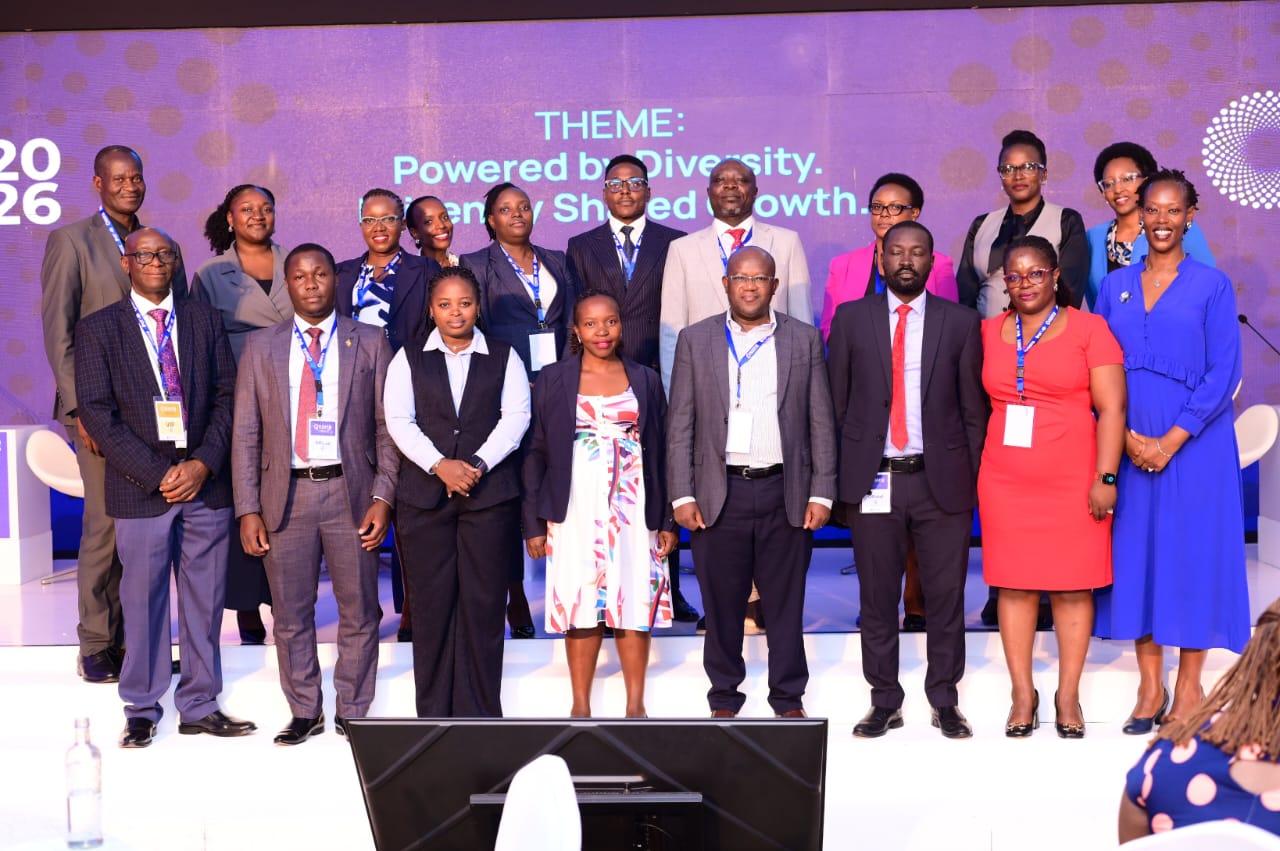
The 2026 NSSF Suppliers Forum officially kicked off with a strong message on partnership, innovation and economic transformation, bringing together suppliers, regulators and business leaders under the theme “Powered by Diversity. Driven by Shared Growth.” The virtual forum highlighted the growing importance of suppliers in shaping not only institutional success but also Uganda’s broader economic future.

Leading the conversation, Patrick Ayota stressed that the future of the National Social Security Fund extends beyond the Fund itself. He explained that stronger partnerships, thriving enterprises and collective commitment to national development will determine the Fund’s long-term impact.

“Suppliers should not be viewed merely as service providers, but as strategic partners essential to delivering faster, more responsive and dependable services,” Patrick Ayota noted.

Ayota observed that businesses and institutions are operating in an increasingly complex environment marked by rapid technological change, supply chain disruptions and growing sustainability demands. According to him, organisations that remain resilient, adaptive and innovative will be best positioned to succeed.

He said the forum reflects NSSF’s continued commitment to building stronger partnerships and creating a more resilient supplier ecosystem capable of delivering shared growth.

Building a Stronger Supplier Ecosystem

Speaking during the forum, Dan Mugura highlighted the progress NSSF has made in supplier development over the last decade.

He revealed that the Fund has built a supplier ecosystem comprising more than 1,000 suppliers, with the majority being local contractors, demonstrating NSSF’s deliberate effort to support local enterprise.

However, Mugura noted that challenges still remain.

He explained that many businesses lose procurement opportunities due to expired compliance documents, weak technical proposals, poor planning and inconsistent service delivery.

“Businesses seeking procurement opportunities must move beyond meeting minimum requirements and focus on building strong internal systems,” Dan Mugura said.

He encouraged suppliers to strengthen documentation, improve internal controls and better understand procurement requirements. Mugura further pointed to joint ventures and subcontracting as practical pathways through which smaller businesses can grow capacity and compete more effectively.

Procurement Beyond Compliance

The conversation also focused on procurement as a strategic tool for development.

Moses Ojambo from the Public Procurement and Disposal of Public Assets Authority emphasised that supplier diversity is critical to creating a more inclusive and competitive procurement environment. According to Ojambo, procurement should move beyond compliance and become a driver of innovation, fairness and sustainable economic growth.

He observed that suppliers often face visibility challenges that limit access to opportunities and argued that stronger collaboration between regulators, institutions and businesses can create a more transparent and equitable system.

“Public procurement must increasingly be viewed as a strategic lever for national development,” Moses Ojambo stated.

He added that supplier mentorship, capacity building and improved access to information are necessary to empower more enterprises to participate meaningfully in Uganda’s economic development.

Sustainability and the Future of Procurement

Speaking on sustainable procurement, David Kiyingi from Uganda’s Ministry of Finance, Planning and Economic Development explained that procurement must evolve from a transactional process into a strategic tool for delivering economic, social and environmental value.

Kiyingi said sustainable procurement frameworks, digital inclusion and supplier development will increasingly define successful organisations.

He emphasised that addressing regulatory gaps, strengthening institutional capacity and encouraging collaboration across stakeholders are essential for building a procurement ecosystem powered by diversity and driven by shared growth.

Expanding Savings and Social Protection

The forum also explored the role suppliers can play in strengthening Uganda’s social protection system.

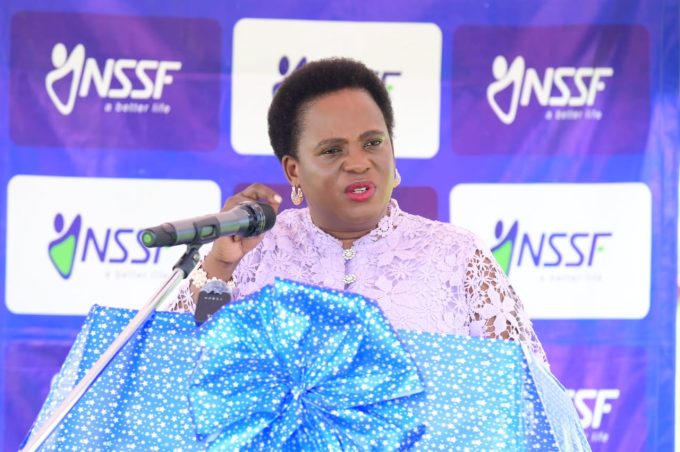
Peninah Kabagambe-Wabwire said suppliers contribute far beyond procurement by supporting workers and helping shape Uganda’s social security future. She argued that supplier relationships should not be viewed solely through compliance requirements but also through their potential to improve long-term financial security.

Kabagambe-Wabwire encouraged businesses to embrace more inclusive savings solutions for permanent staff, subcontractors, casual workers and business owners themselves. She highlighted SmartLife Flexi as one of NSSF’s innovations designed to support people with irregular incomes to save consistently and build financial resilience.

“Social security should not be viewed as a distant obligation, but as a practical commitment to long-term financial independence and dignity in retirement,” Peninah Kabagambe-Wabwire said.

She further urged suppliers to strengthen remittance consistency and encourage voluntary saving within their organisations, noting that a strong savings culture benefits businesses, families and communities alike.

A Supplier’s Journey of Persistence

Providing a real-life perspective, Ovia Kyomukama shared the story behind BrandLab’s growth journey. Kyomukama explained that her entrepreneurial path began during the uncertainty created by the COVID-19 pandemic after losing formal employment.

What started as a simple idea, she said, evolved into a business built on resilience, discipline and determination. She recalled how BrandLab initially struggled to meet NSSF quality standards and faced rejection before eventually becoming a trusted supplier.

According to Kyomukama, preparation, proper documentation, continuous learning and financial discipline played a central role in the company’s growth. She also emphasised the importance of voluntary savings, noting that personal financial preparedness mirrors the discipline required to build a sustainable business.

Her testimony highlighted how persistence and adaptability can create not only business success but also employment and wider economic impact. As the 2026 NSSF Suppliers Forum finalised, the message remained clear: partnerships, innovation, supplier empowerment and inclusive growth will play a defining role in shaping Uganda’s procurement and economic future.

Share
Related Articles
News

NSSF Common User Facility Programme Empowers Women and Youth in Lira

Nearly 1,500 women registered as NSSF-led Common User Facility Programme delivers skills,...

News

URA Moves to Forfeit Undeclared Cargo Under New Enforcement Rules

The Uganda Revenue Authority (URA) has announced tougher enforcement measures targeting excess,...

News

Equity Group Profit After Tax Rises 24% in Q1 2026

Equity Group Profit After Tax Rises 24% in Q1 2026, reaching Ksh...

NewsSocial Impact & NGOs

Absa KH3–7 Hills Run Expands Reach, Deepens Girl Child Support Mission

The 2026 Absa KH3–7 Hills Run brought thousands to Kampala for 5km,...

We are the reliable source of filtered, timely, relevant tech, innovation, and business news. We gather business, technology, lifestyle, innovation news from Uganda, East Africa and around the world as it happens, presenting it to you in a simple to use and intuitive web portal.

Let us keep in touch

Subscribe to our newsletter to get our newest articles instantly!

    © 2025 Postdator Corporate News. All rights reserved.