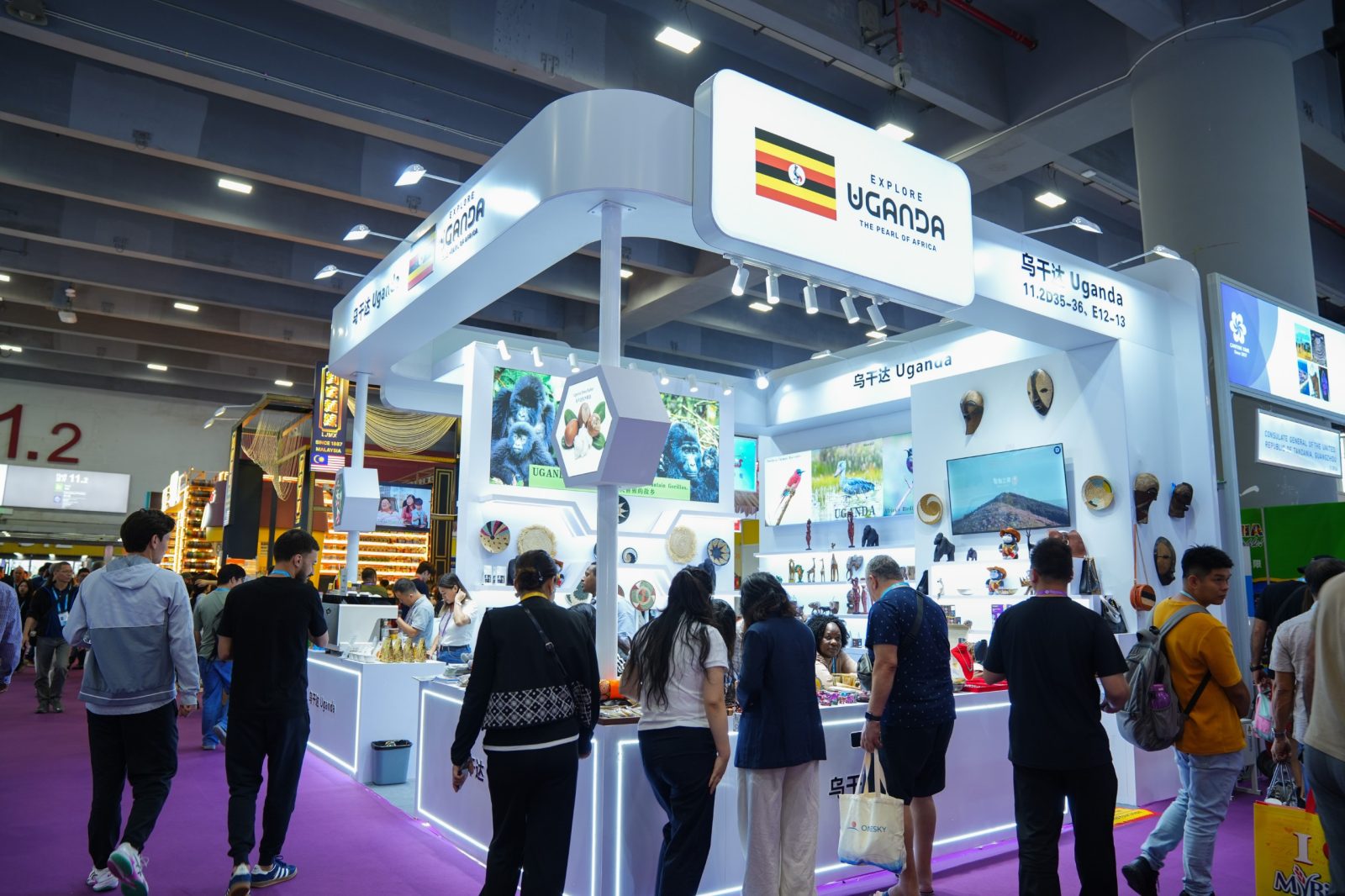

Uganda actively builds connections to global supply chains with its growing role at the China Import and Export Fair, also known as the Canton Fair 2026. Participation goes beyond basic visibility. Exporters pursue calculated steps to link Uganda directly with international buyers and production networks.
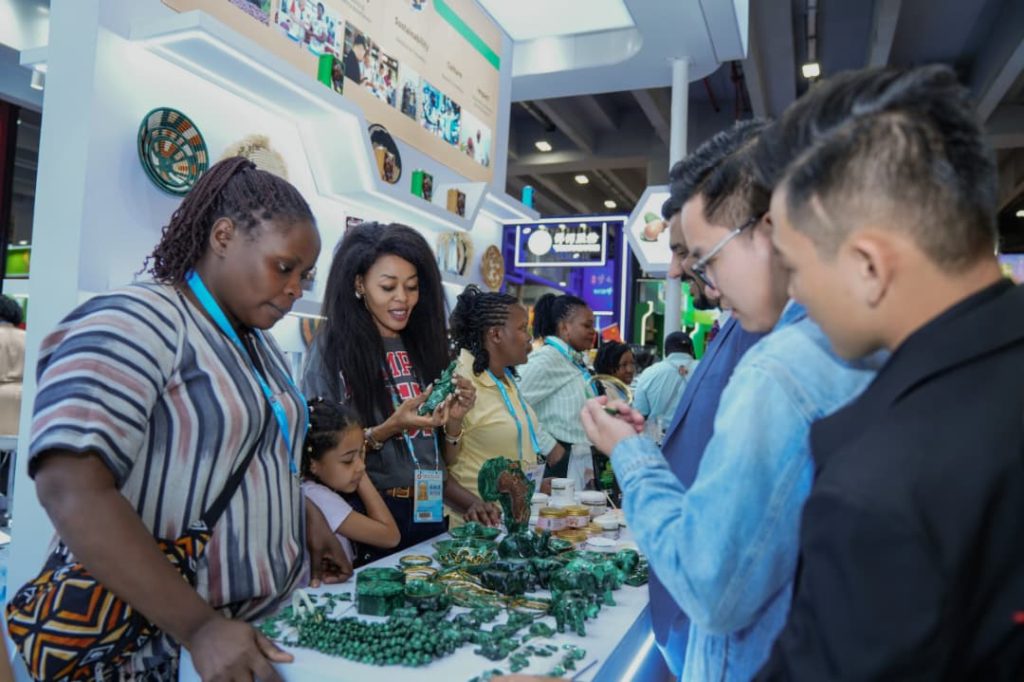
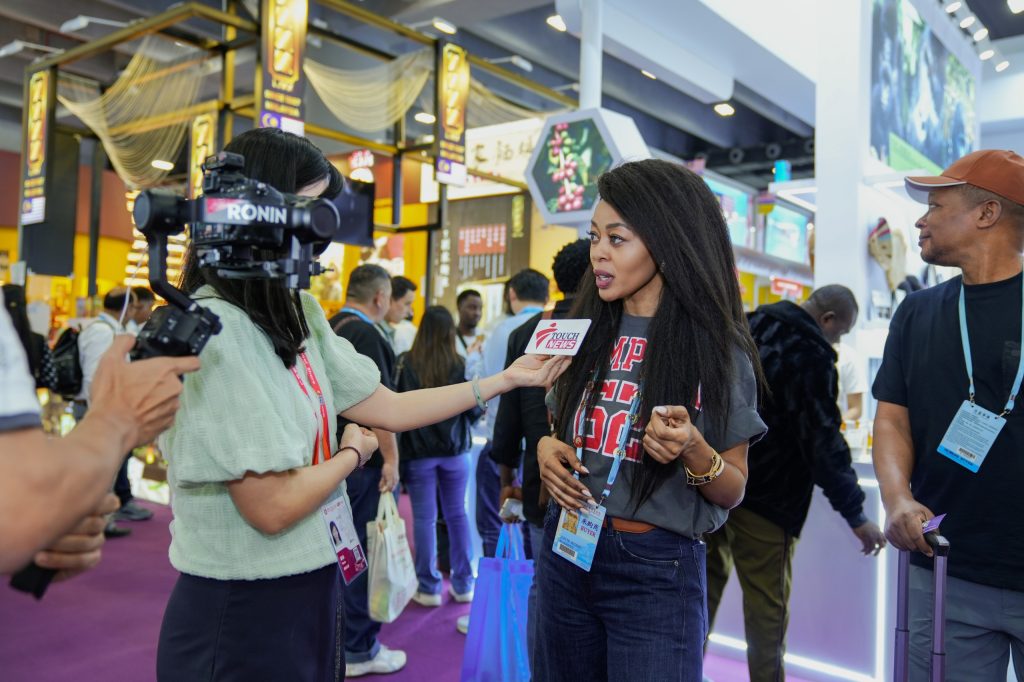
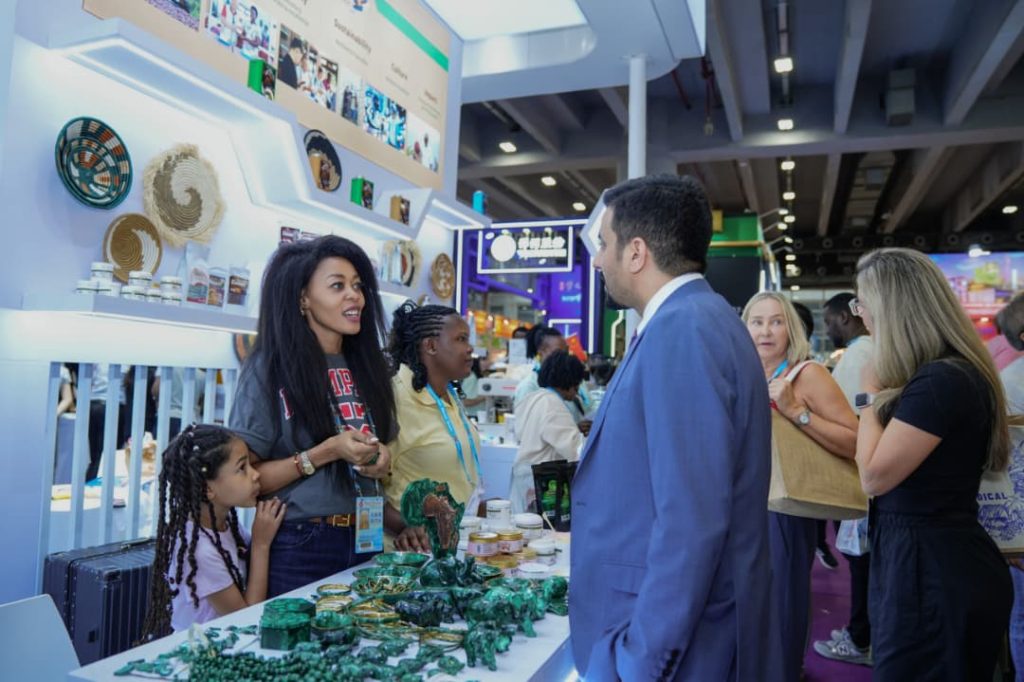
The 139th edition wrapped up recently in Guangzhou. Ugandan exporters arrived prepared to test products under real market conditions. They engaged buyers face-to-face during the event. Orders flowed in right at the booths. Buyers dug into key details like product consistency across batches, required certifications for import, and production scale for larger volumes.
Uganda relies on raw commodities for most exports to China. Coffee tops the list with steady shipments year after year. Oil seeds follow close behind. Minerals round out the major categories. These goods leave Uganda with minimal processing or value addition applied locally.
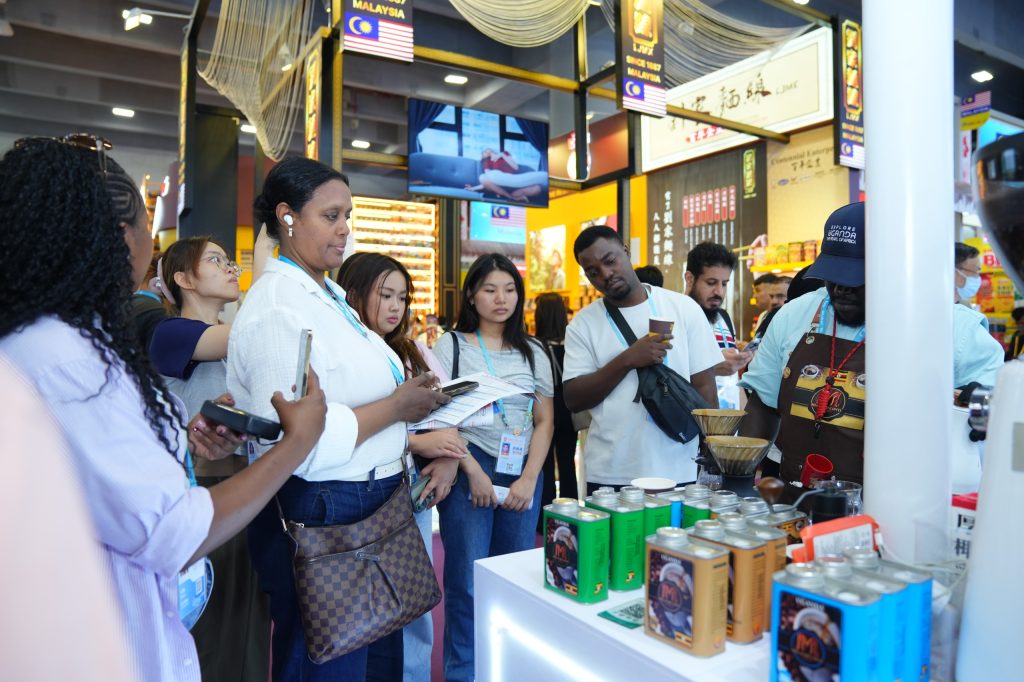
Guangzhou changed that pattern. Exporters presented finished products ready for shelves. Branding stood out on items like specialty coffee packs and shea butter goods. This approach drew serious interest from global buyers. Uganda positions itself as a reliable supplier of ready-to-sell items.
Products like speciality coffee, shea butter cosmetics, and artisanal goods drew strong attention not simply because of origin, but because of presentation. Packaging, storytelling, and product consistency are increasingly becoming Uganda’s competitive edge.
This is critical in a market like China, where consumer demand is evolving rapidly toward premium, traceable, and sustainably sourced goods. For Ugandan SMEs, the takeaway is clear: the global market is accessible but only to those who meet it halfway.
Uganda’s trade imbalance with China remains stark, with imports far outweighing exports. But platforms like the Canton Fair offer something more strategic than immediate sales; they offer market intelligence.
Exporters returned with insights into pricing benchmarks, buyer expectations, and regulatory requirements. That information is as valuable as any signed deal because it shapes how businesses position themselves going forward. If leveraged correctly, repeated participation could help Uganda steadily increase export volumes while diversifying beyond traditional commodities.
Where trade goes, investment follows. One of the most significant outcomes from Uganda’s participation wasn’t just the orders placed; it was the conversations started. Interest from international firms in agro-processing, manufacturing, and mineral development points to a growing confidence in Uganda as a production base, not just a sourcing point.
This is how countries move up the value chain: by converting buyer interest into long-term industrial partnerships.
The Canton Fair is often described as a marketplace. For Uganda, it is increasingly becoming a strategy platform. By showing up consistently, refining product quality, and aligning with global standards, Uganda is positioning itself within international trade networks that were previously out of reach.
The message is shifting from “Buy Ugandan” to “Partner with Uganda.”
And if that momentum is sustained, the real payoff won’t just be in export figures but in the transformation of Uganda’s entire production economy.
Centenary Bank 2025 results show 23.9% profit growth to UGX 424.2B, 77%...
Uganda's Economic Growth resilient at 6.7% amid weak 62.8% budget absorption, UGX...
Uganda's Economic Growth set for 10.4% surge in 2026/27 as oil production...
After 58 years in operation, Uganda’s specialist housing lender delivered its strongest...
Excepteur sint occaecat cupidatat non proident