

Uganda’s Parish Development Model and the Fight Against Poverty
 Editor Corporate NewsUpdated 3 days Ago2 Mins read59

The Parish Development Model (PDM) is Uganda’s flagship strategy for poverty reduction and grassroots economic transformation. President Yoweri Museveni launched the Parish Development Model to move millions of Ugandans from subsistence living into the money economy. Under the Parish Development Model, households are encouraged to earn, save, invest, and build sustainable wealth.
The Parish Development Model places the parish — Uganda’s smallest administrative unit — at the center of development. Instead of relying on top-down planning, the Parish Development Model channels resources directly to local communities. This allows households to identify income-generating opportunities and take practical action.
Why Financial Inclusion Matters in the Parish Development Model
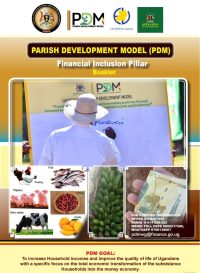
Financial inclusion is one of the seven pillars of the Parish Development Model. The Parish Development Model Financial Inclusion Pillar expands access to formal financial services for rural and low-income households.
Many Ugandans have never used a bank or joined a SACCO. The Parish Development Model changes that by giving families access to savings accounts, affordable credit, insurance, and digital payment systems.
With support from the Parish Development Model, households no longer depend entirely on informal lenders or unpredictable farming income. They can save securely, borrow responsibly, and plan for long-term growth.
Parish SACCOs and enterprise groups manage Parish Development Model funds at the local level. Leaders also provide financial literacy training to help beneficiaries manage money wisely. In many districts, Parish Development Model funds are sent directly to mobile phones, reducing delays and improving transparency.
How the Parish Development Model Supports Poverty Reduction
The Parish Development Model focuses on empowerment rather than dependency. Through revolving funds, the Parish Development Model ensures that when one household repays a loan, another household gains access to capital.
This creates a continuous cycle of opportunity within the community.
By 2025, the Parish Development Model had reached millions of households across Uganda. The government disbursed billions of shillings to support crop production, livestock farming, poultry projects, and small enterprises. Through the Parish Development Model, families increase income, improve food security, and stimulate local job creation.
The Parish Development Model encourages sustainable businesses instead of short-term support programs.
President Museveni’s Vision Behind the Parish Development Model
President Museveni describes the Parish Development Model as a long-term tool for wealth creation. He emphasizes that infrastructure alone cannot eliminate poverty. While roads, schools, and electricity are important, household income determines lasting prosperity.
The Parish Development Model promotes responsible use of funds and timely loan repayment. This ensures that more households benefit from the revolving funds.
Through the Parish Development Model, Uganda promotes savings, commercial agriculture, and entrepreneurship — key drivers of long-term economic growth.
The Long-Term Impact of the Parish Development Model
The Parish Development Model does more than distribute money. It builds financial discipline, strengthens parish-level institutions, and integrates rural households into Uganda’s formal economy.
By strengthening financial systems at the grassroots, the Parish Development Model aims to reduce poverty sustainably. If implemented consistently and transparently, the Parish Development Model could reshape Uganda’s approach to inclusive economic transformation.



Uganda EITI Transparency Strengthened as New MSG Takes Office
Uganda Reaffirms Commitment to Extractives Transparency Uganda has reaffirmed its commitment to...
Editor Corporate News1 Mins read
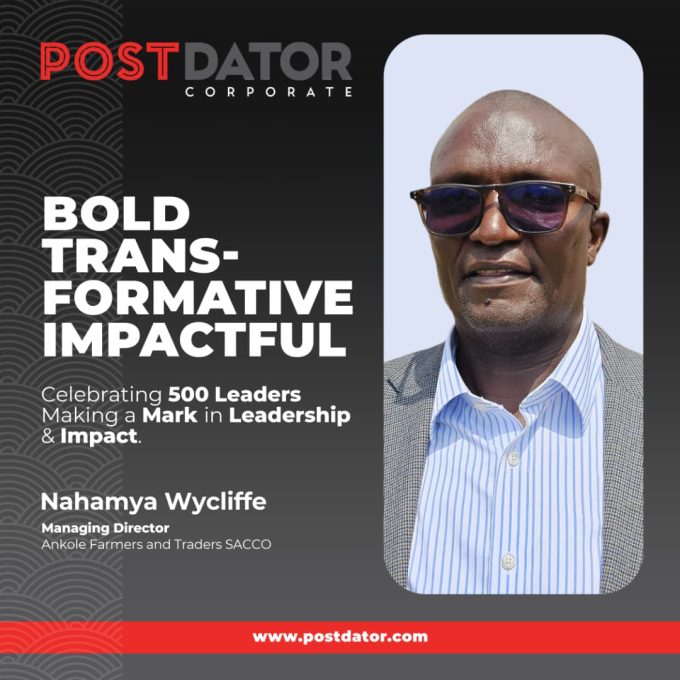
Nahamya Wycliffe: Leading from the Ground Up
Nahamya Wycliffe represents a generation of leaders whose impact goes beyond financial...
Editor Corporate News2 Mins read
URA Extends Opportunity to Clear Tax Arrears Without Penalties
The Uganda Revenue Authority (URA) has announced a final opportunity for taxpayers...
Editor Corporate News2 Mins read

MTN Uganda Shares Boost NSSF Stake Over Shs.1 Trillion
MTN Uganda shares have surged on the Uganda Securities Exchange (USE), creating...
Editor Corporate News1 Mins read