
UCC Bans Split‑Screen Advertising on NBS TV, Sets New Industry Standard
 Editor Corporate NewsUpdated 2 days Ago1 Mins read41
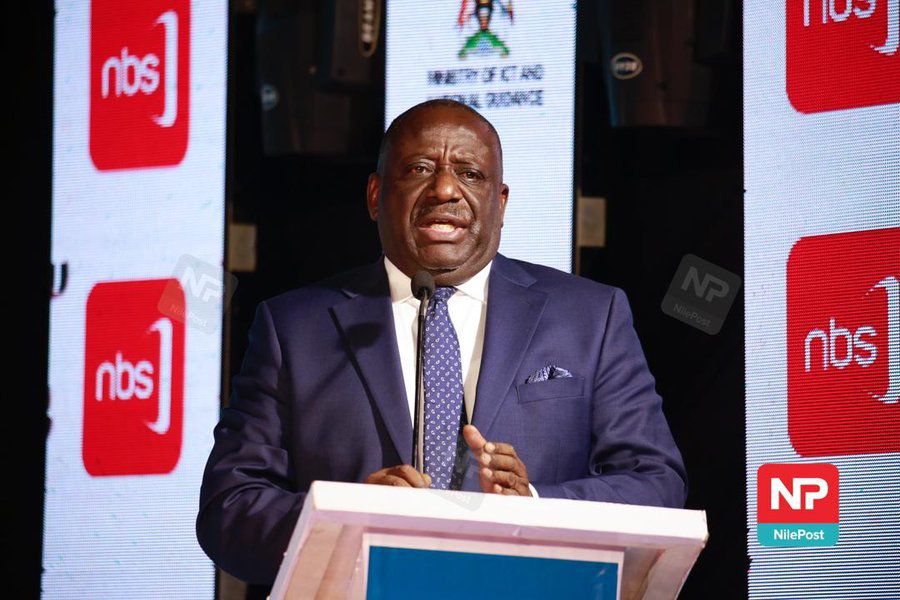
The Uganda Communications Commission (UCC) has ordered NBS Television to immediately stop using split‑screen advertising during its news and current affairs broadcasts, a move that signals stricter enforcement of advertising standards across all television stations in Uganda.
According to a statement shared on social media by CEOEastAfrica, the regulator cited breaches of the Advertising Standards Code as the basis for its directive.
“@UCC_Official has ordered NBS TV to immediately stop split‑screen advertising during news and current affairs programmes, citing breaches of the Advertising Standards,” the Commission said in its post.
Split‑screen advertising refers to commercial content displayed on part of a television screen while editorial programming continues in another section. The technique has been commonly used in sports programming and other broadcasts where natural breaks are limited. However, the UCC advertising standards clearly state that split‑screen ads are not permitted during news and current affairs content.
Under the Advertising Standards Code, split‑screen adverts must not exceed certain screen space limits, must be clearly distinguishable from editorial material, and importantly, cannot be shown during news or current affairs broadcasts.
Industry observers say the UCC’s decision is meant to protect editorial integrity and ensure that commercial messages do not undermine the timeliness and impartiality of news reporting. Broadcasters are now expected to adjust their commercial formats to align with the existing regulatory framework or risk sanctions.
In response to the directive, some media professionals have welcomed the clarification, saying that consistent enforcement will bring clarity to advertising practices across the sector. Others, however, argue that broadcasters should be given more time to adapt their systems and workflows to comply.
The decision follows ongoing efforts by the Commission to ensure all broadcast content — including advertising — adheres to national standards designed to protect viewers and maintain professional broadcasting norms.





Parliament Clears Budget Framework Paper, Sets Economic Agenda to 2031
Parliament has approved the National Budget Framework Paper (NBFP) for the period...
Editor Corporate News2 Mins read

Bank of Uganda Approves Finance Trust Bank’s Transition to a Credit Institution
The Bank of Uganda (BoU) has formally approved Finance Trust Bank’s application...
Editor Corporate News1 Mins read
Uganda Marks International Data Privacy Day with DPOs Masterclass
Uganda joined the rest of the world in marking International Data Privacy...
Editor Corporate News1 Mins read
Adris Kamuli: From Humble Beginnings to Industry Trailblazer
Adris Kamuli is one of the most influential figures in Uganda’s creative...
Editor Corporate News2 Mins read