

Uganda’s Agent Banking Network Surges as Financial Inclusion Gains Momentum
 Editor Corporate NewsUpdated 2 hours Ago1 Mins read27
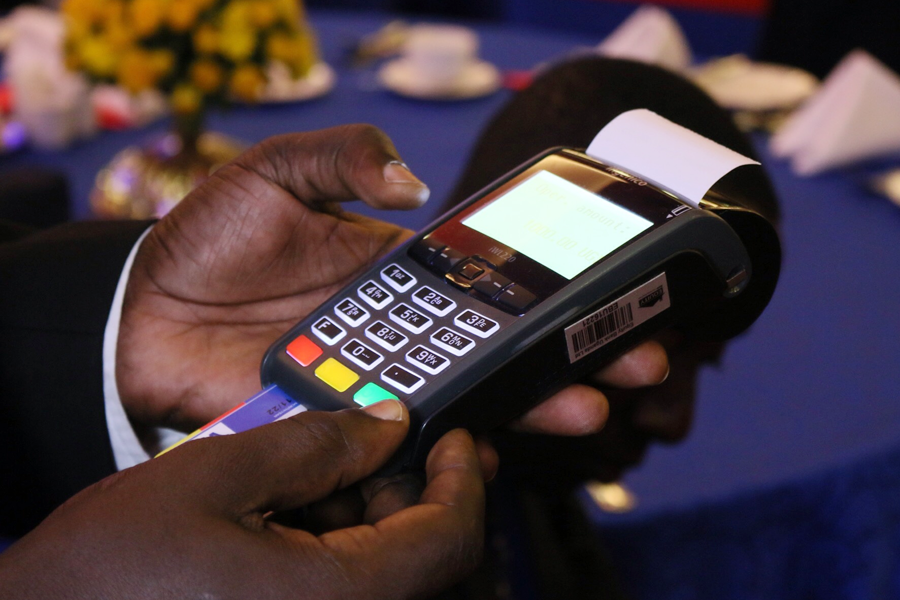
The Ministry of Finance has released a report indicating continued growth in agent banking and mobile money services, reinforcing Uganda’s push toward deeper financial inclusion despite broader economic pressures.
According to the December 2025 Microeconomic Indicator Dashboard (MIND), the number of agent banking outlets increased by 20 percent, rising from 32,076 agents in September 2024 to 38,757 agents in September 2025. The report also shows that mobile money agents grew by 23.8 percent, reaching 1.09 million agents over the same period.
The Ministry notes that the expansion of financial access points is improving access to formal financial services, particularly in peri-urban and rural areas where traditional bank branches remain limited. “The growth in agent banking and mobile money agents continues to support equity and economic inclusion,” the report states.
The increase comes at a time when households are facing moderate cost-of-living pressures. The report shows that monthly food inflation rose by 0.5 percent in December 2025, reversing a decline recorded in November. Energy, fuel and utility inflation also increased by 0.4 percent, driven mainly by household energy costs.
Despite the rise in utilities, fuel prices eased slightly. Liquid energy fuel inflation declined by 0.3 percent, largely due to a reduction in petrol prices during December, offering some relief to businesses reliant on transport and logistics.
In the property market, residential prices in the Greater Kampala Metropolitan Area continued to rise. The Residential Property Price Index increased by 2.6 percent in the second quarter of FY2025/26, supported by stronger price growth in Kampala Central and Makindye divisions.
The report also highlights a slowdown in business activity toward the end of the year. New business registrations declined by 40 percent, falling from 4,512 in November to 2,698 in December 2025. Activity at the Uganda Securities Exchange softened, with the All-Share Index falling by 0.6 percent.
On the external front, Uganda’s monthly trade deficit widened sharply to US$232.3 million, mainly due to lower export earnings from gold and electricity.
While welcoming the growth in financial inclusion, the Ministry cautions that productivity risks remain. The report shows that malaria prevalence increased sharply in December, which could affect labour output if not contained. “High malaria incidence may continue to result in lost workdays and slower productivity gains,” the report notes.
Overall, the Ministry of Finance says the steady expansion of agent banking and mobile money services remains a key pillar in strengthening Uganda’s financial system, even as the economy navigates health, trade and cost pressures.







Uganda Airlines CEO Jennifer Bamuturaki Removed Amid Mounting Losses and Governance Concerns
Uganda Airlines CEO Jennifer Bamuturaki has been removed from her post following...
Editor Corporate News1 Mins read

ICT Ministry Rolls Out Client Service Charter to Drive Performance and Digital Service Efficiency
Kampala, Uganda – 2nd February 2026 The Ministry of ICT and National...
Editor Corporate News1 Mins read
Vision Group Posts UGX 9.7bn Loss, Auditor General Flags Cash Flow and Covenant Breaches
Vision Group has reported a loss of UGX 9.727 billion for the...
Editor Corporate News2 Mins read

Barbara Kasekende: Architect of Enterprise Growth, Youth Empowerment & Inclusive Economic Transformation
Barbara Kasekende is a distinguished development strategist and business advisory leader whose...
Editor Corporate News2 Mins read