

UCC Split-Screen Advertising Ban Orders NBS TV to Comply
 Editor Corporate NewsUpdated 3 weeks Ago1 Mins read147
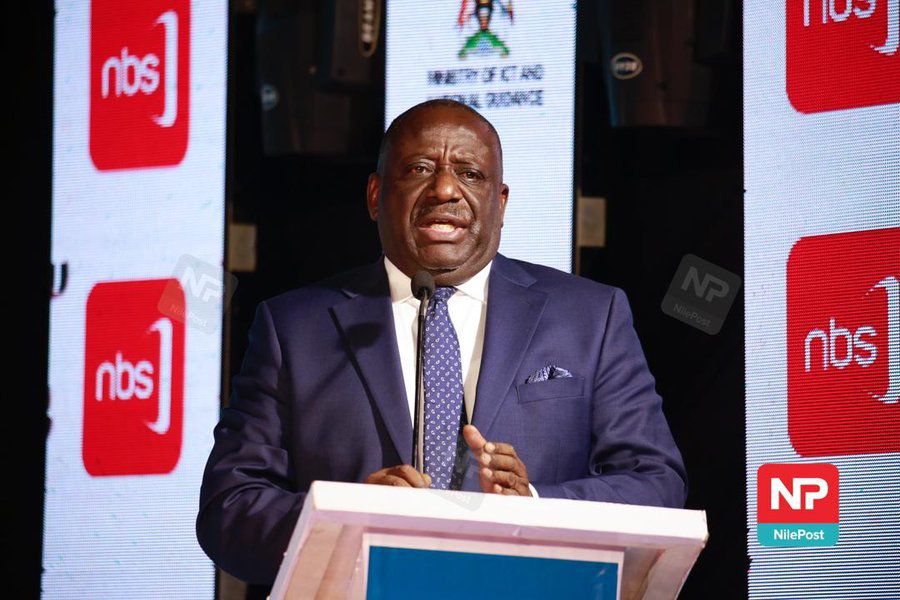
UCC split-screen advertising ban takes effect as the Uganda Communications Commission orders NBS Television to stop using split-screen ads during news and current affairs broadcasts. The move strengthens enforcement of advertising standards across Uganda’s television industry.
UCC Split-Screen Advertising Ban Targets News and Current Affairs
The Uganda Communications Commission (UCC) cited breaches of the Advertising Standards Code in its directive. A social media post by CEOEastAfrica confirmed: “@UCC_Official has ordered NBS TV to immediately stop split-screen advertising during news and current affairs programmes, citing breaches of the Advertising Standards.”
Split-screen advertising displays commercial content on part of a television screen while editorial programming continues in another section. While common in sports and other broadcasts with limited breaks, the UCC explicitly prohibits split-screen ads during news and current affairs.
Advertising Standards Code Requirements
Under the Advertising Standards Code, split-screen adverts must not exceed specific screen space limits. They must also be clearly distinguishable from editorial material. Crucially, split-screen ads cannot appear during news or current affairs programming.
Impact on Uganda’s Broadcasting Industry
Industry experts say the UCC split-screen advertising ban aims to protect editorial integrity. The Commission wants to ensure commercial messages do not undermine the timeliness or impartiality of news reporting. Broadcasters must now adjust their commercial formats to comply or risk penalties.
Some media professionals welcomed the clarification, saying it will bring consistency to advertising practices. Others argue that broadcasters need more time to adapt workflows and systems to meet the standards.
UCC Reinforces Professional Broadcasting Norms
The decision aligns with the Commission’s ongoing efforts to ensure all broadcast content, including advertising, adheres to national standards. The move safeguards viewers and strengthens professional norms across Uganda’s television sector.






Stanbic Bank Supports Life-saving Maternal care
Stanbic Bank maternal healthcare support Uganda is making a meaningful impact through...
Editor Corporate News1 Mins read
Uganda’s Economy at Inflection Point
Uganda’s economy at inflection point — this was the key message from...
Editor Corporate News2 Mins read

Pamela Turyatunga’s Jasiri Win: What It Means for Absa Bank Uganda and the Future of Sustainability Leadership
From Recognition to Reinforcement: Pamela Turyatunga’s Jasiri Award Signals Absa Uganda’s Sustainability...
 Corporate News Editor2 Mins read

Stanbic Names Oigara CEO as Mweheire Steps Down
Stanbic names Oigara CEO in a significant leadership transition that signals the...
Editor Corporate News1 Mins read


