

Uganda Airlines Leadership Crisis: CEO Jennifer Bamuturaki Removed
 Editor Corporate NewsUpdated 2 weeks Ago2 Mins read135

The Uganda Airlines leadership crisis deepened after the airline removed CEO Jennifer Bamuturaki amid rising financial losses and governance concerns. The decision followed sustained pressure over weak financial results, operational inefficiencies, and unresolved audit warnings, including ongoing revenue leakages.
Uganda Airlines Removes CEO Jennifer Bamuturaki Over Losses and Governance Issues
Uganda Airlines has removed CEO Jennifer Bamuturaki following growing concern about the airline’s financial performance, internal controls, and overall governance. The leadership change comes as regulators and auditors continue to question revenue management and accountability at the national carrier.
Financial Strain and Revenue Challenges
Since taking office in 2022, Bamuturaki led an ambitious expansion strategy. Uganda Airlines launched new regional routes and introduced long-haul flights, including the London route. However, the expansion placed heavy strain on the airline’s finances.
In the 2024/25 financial year, Uganda Airlines recorded losses of about $62 million (Shs230 billion). These losses pushed cumulative deficits to over Shs1 trillion since the airline’s relaunch in 2019.
Auditors identified serious revenue weaknesses. The airline failed to bank some funds, and passenger service fees continued to be collected months after authorities had scrapped the levy. Auditors also flagged ticketing practices. Agencies linked to airline staff controlled a large share of discounted ticket classes, a situation that likely reduced revenue and raised conflict-of-interest concerns.
Governance and Operational Oversight
Internal reviews and a State House meeting in September 2025 marked a decisive moment. President Museveni reportedly expressed dissatisfaction with repeated management failures and weak internal controls. He also questioned procurement decisions and the lack of oversight over aircraft leasing and fuel contracts.
“These were not isolated incidents,” said a government source familiar with the discussions. “By September, mismanagement, missing revenue, and weak oversight had become a clear pattern. Confidence in leadership had eroded.”
Investigations and Regulatory Pressure
The leadership change comes as investigations continue. The Uganda Police Criminal Investigations Directorate (CID) and the State House Anti-Corruption Unit are examining procurement approvals, leasing and fuel contracts, revenue handling systems, and spending linked to new route launches.
Bamuturaki has denied any wrongdoing. She has maintained that management decisions followed the airline’s approved business strategy and long-term growth plans.
A Mixed Business Legacy
Bamuturaki leaves behind a mixed legacy. She expanded routes and grew the fleet, but critics point to financial underperformance, weak governance, and unresolved audit issues.
For Uganda Airlines, the leadership transition offers a chance to reset. Strengthening internal controls, improving financial oversight, and rebuilding public and investor confidence now rank as urgent priorities. The Board plans to advertise the CEO position in the coming weeks.








Stanbic Bank Supports Life-saving Maternal care
Stanbic Bank maternal healthcare support Uganda is making a meaningful impact through...
Editor Corporate News1 Mins read
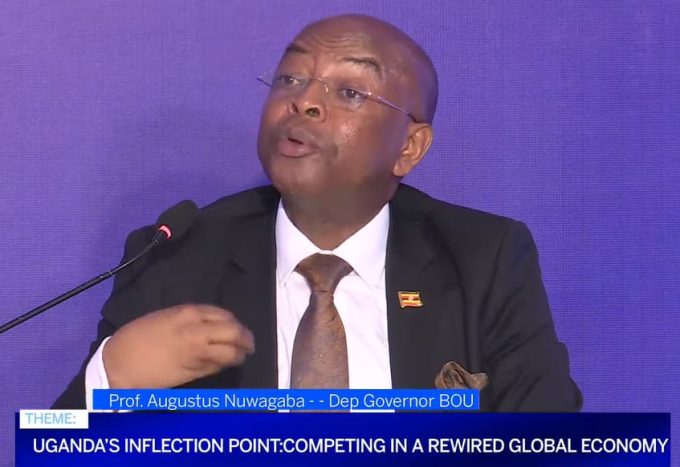
Uganda’s Economy at Inflection Point
Uganda’s economy at inflection point — this was the key message from...
Editor Corporate News2 Mins read

Pamela Turyatunga’s Jasiri Win: What It Means for Absa Bank Uganda and the Future of Sustainability Leadership
From Recognition to Reinforcement: Pamela Turyatunga’s Jasiri Award Signals Absa Uganda’s Sustainability...
 Corporate News Editor2 Mins read

Stanbic Names Oigara CEO as Mweheire Steps Down
Stanbic names Oigara CEO in a significant leadership transition that signals the...
Editor Corporate News1 Mins read


