

Uganda Financial Inclusion Growth Driven by Agent Banking and Mobile Money
 Editor Corporate NewsUpdated 2 weeks Ago2 Mins read121
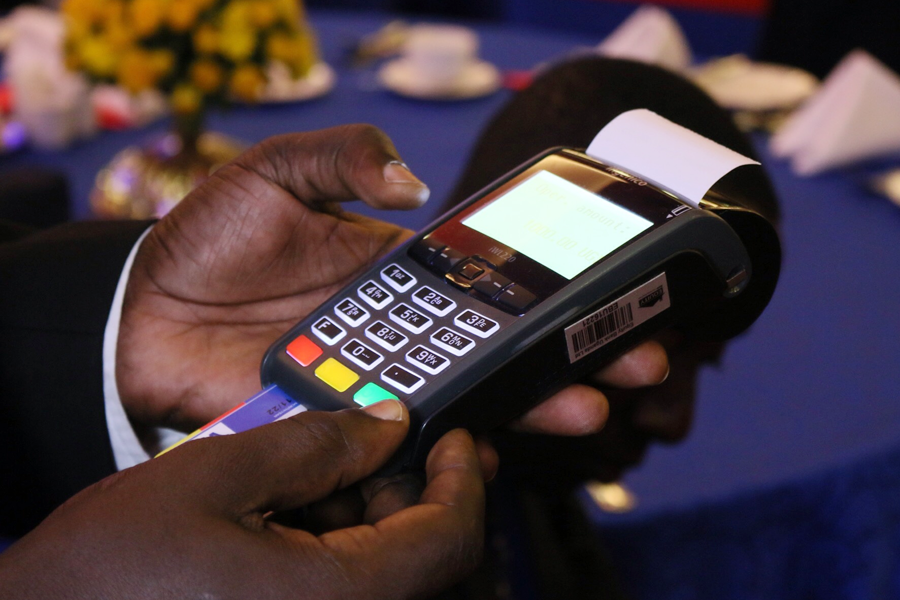
Uganda financial inclusion growth has gained momentum as agent banking and mobile money services continue to expand across the country. A new report from the Ministry of Finance shows that financial access points are increasing steadily, supporting broader inclusion even as households and businesses face economic and cost-of-living pressures.
Uganda Financial Inclusion Growth Accelerates Through Agent Banking
The Ministry of Finance has released its December 2025 Microeconomic Indicator Dashboard (MIND), highlighting strong growth in agent banking services. The number of agent banking outlets rose by 20 percent, increasing from 32,076 agents in September 2024 to 38,757 agents in September 2025.
The Ministry says the expansion has improved access to formal financial services, especially in peri-urban and rural areas where bank branches remain limited. According to the report, the continued growth in agent banking plays a central role in advancing Uganda financial inclusion growth.
Mobile Money Expansion Strengthens Financial Access
Mobile money services recorded even stronger growth over the same period. The number of mobile money agents increased by 23.8 percent, reaching 1.09 million agents by September 2025.
“The growth in agent banking and mobile money agents continues to support equity and economic inclusion,” the Ministry noted. These platforms remain essential for everyday transactions, savings, and payments, particularly for underserved communities.
Cost-of-Living Pressures Persist Despite Financial Access Gains
The expansion of financial services comes as households face moderate cost pressures. The report shows that monthly food inflation rose by 0.5 percent in December 2025, reversing a decline recorded in November.
Energy, fuel, and utility inflation also increased by 0.4 percent, driven mainly by higher household energy costs. These increases added pressure on household budgets despite improved access to financial services.
Fuel Prices Ease, Offering Partial Relief
Despite rising utility costs, fuel prices showed slight improvement. Liquid energy fuel inflation declined by 0.3 percent, largely due to lower petrol prices in December.
The reduction provided some relief to businesses that rely heavily on transport and logistics, easing operating costs during the period.
Property Prices Rise in Greater Kampala
The report also highlights continued growth in the property market. Residential prices in the Greater Kampala Metropolitan Area increased in the second quarter of FY2025/26.
The Residential Property Price Index rose by 2.6 percent, supported by stronger price growth in Kampala Central and Makindye divisions. Demand for housing in these areas remained resilient despite broader economic pressures.
Business Activity Slows Toward Year-End
While financial inclusion improved, business activity weakened toward the end of the year. New business registrations fell sharply by 40 percent, declining from 4,512 in November to 2,698 in December 2025.
Activity at the Uganda Securities Exchange also softened. The All-Share Index declined by 0.6 percent, reflecting reduced market momentum.
Trade Deficit Widens as Exports Decline
On the external front, Uganda’s monthly trade deficit widened significantly. The deficit reached US$232.3 million, driven mainly by lower export earnings from gold and electricity.
The decline in export revenue added pressure to the country’s external position during the period.
Health Risks Could Affect Productivity Gains
Despite strong Uganda financial inclusion growth, the Ministry cautioned that productivity risks remain. Malaria prevalence increased sharply in December, raising concerns about labour output.
“High malaria incidence may continue to result in lost workdays and slower productivity gains,” the report noted, emphasizing the need for stronger health interventions.
Uganda Financial Inclusion Growth Remains a Key Economic Pillar
Overall, the Ministry of Finance says the steady expansion of agent banking and mobile money services remains a cornerstone of Uganda financial inclusion growth. These services continue to strengthen the financial system, even as the economy navigates health challenges, trade pressures, and rising living costs.







Stanbic Bank Supports Life-saving Maternal care
Stanbic Bank maternal healthcare support Uganda is making a meaningful impact through...
Editor Corporate News1 Mins read
Uganda’s Economy at Inflection Point
Uganda’s economy at inflection point — this was the key message from...
Editor Corporate News2 Mins read

Pamela Turyatunga’s Jasiri Win: What It Means for Absa Bank Uganda and the Future of Sustainability Leadership
From Recognition to Reinforcement: Pamela Turyatunga’s Jasiri Award Signals Absa Uganda’s Sustainability...
 Corporate News Editor2 Mins read

Stanbic Names Oigara CEO as Mweheire Steps Down
Stanbic names Oigara CEO in a significant leadership transition that signals the...
Editor Corporate News1 Mins read


