

Uganda Inflation January 2026: Headline Rises to 3.2% Amid Higher Service Costs
 Editor Corporate NewsUpdated 2 weeks Ago1 Mins read74

Uganda inflation January 2026 data shows a slight rise to 3.2 percent, up from 3.1 percent in December, driven mainly by increasing costs of services. The Uganda Bureau of Statistics (UBOS) reports that overall prices in January were higher than the same month last year.
Headline and Core Inflation Rise
According to UBOS Principal Statistician for Price Statistics, Juliet Nakayenga, “Overall prices in January 2026 were 3.2% higher compared to January 2025.” Core inflation, which excludes food crops and energy, fuel, and utilities, also increased slightly to 3.3% from 3.1% the previous month. This indicates modest underlying price pressures in the economy.
Services Drive Inflation Increase
Services were the main contributor to the January inflation rise. Annual services inflation climbed to 4.8% from 4.0% in December. In contrast, inflation for core goods slowed to 2.1% from 2.5%, showing slower price growth for manufactured and processed household products. Nakayenga noted, “Prices are still going up, but the pace of increase has slowed.” Within services, passenger road transport prices remained stable in January, recovering from a 3.8% decline in December. Refuse collection costs rose sharply after providers adjusted charges following changes in dumping sites.
Food and Core Goods Prices Moderate
Some core goods recorded price reductions. Sugar prices fell by 1.2% compared to a year earlier, reversing a 3.1% increase in December. Laundry soap prices also dropped by 2.2%. Nakayenga explained, “When prices turn negative, it means consumers are paying less than they did in the same month last year.” Food crop inflation continued to slow, easing to 3.0% in January from 4.4% in December. This was mainly due to a 4.5% drop in matoke prices following improved seasonal supply. Tomato prices declined sharply by 10.1%, while price increases for sweet potatoes, dry beans, and Irish potatoes moderated.
Energy, Fuel, and Utilities Inflation
Inflation for energy, fuel, and utilities rose slightly to 1.7% in January from 1.4% in December. Electricity prices continued to fall, but at a slower pace, while firewood prices increased to 6.9% from 4.9%. Overall, UBOS data shows a mild rise in both headline and core inflation, easing food prices, and a slight increase in energy-related costs.
Stable Inflation Trend in Recent Months
Uganda’s inflation rate has remained largely stable over recent months, holding at 3.1% in November and December before the small increase recorded in January 2026.








Stanbic Bank Supports Life-saving Maternal care
Stanbic Bank maternal healthcare support Uganda is making a meaningful impact through...
Editor Corporate News1 Mins read
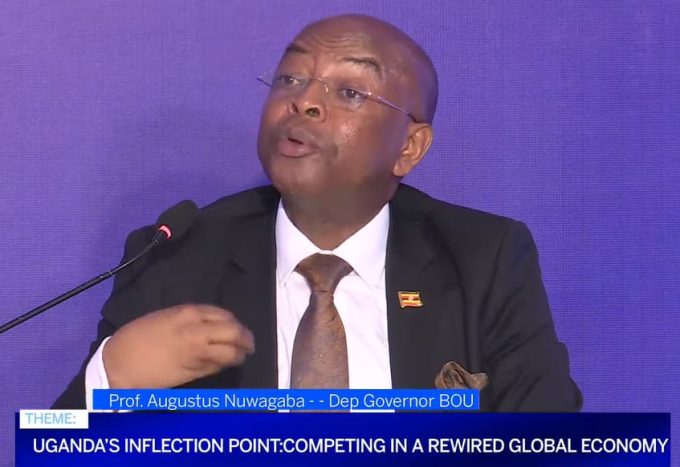
Uganda’s Economy at Inflection Point
Uganda’s economy at inflection point — this was the key message from...
Editor Corporate News2 Mins read

Pamela Turyatunga’s Jasiri Win: What It Means for Absa Bank Uganda and the Future of Sustainability Leadership
From Recognition to Reinforcement: Pamela Turyatunga’s Jasiri Award Signals Absa Uganda’s Sustainability...
 Corporate News Editor2 Mins read

Stanbic Names Oigara CEO as Mweheire Steps Down
Stanbic names Oigara CEO in a significant leadership transition that signals the...
Editor Corporate News1 Mins read


