

News
 Corporate editorUpdated 3 weeks Ago1 Mins read150
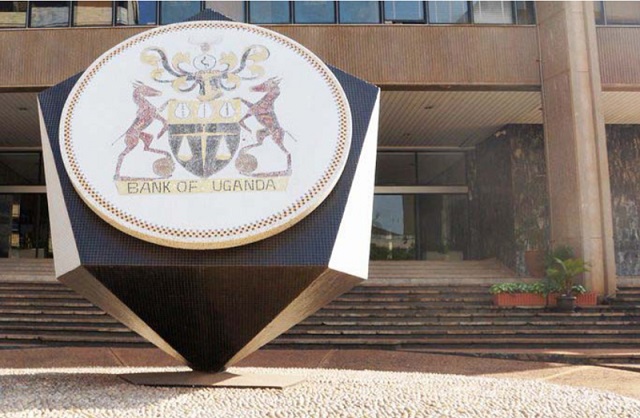
Bank of Uganda Introduces Over-the-Counter Cash Withdrawal Limits Starting 2027
Corporate editorUpdated 3 weeks Ago1 Mins read150
Share
- Bank of Uganda
- BoU cash policy
- cash withdrawal limits 2027
- cash-dependent sectors
- corporate withdrawal limits UGX 500 million
- digital payments Uganda
- electronic funds transfers
- Electronic Funds Transfers EFT
- financial institutions Uganda
- individual withdrawal limits
- Jane Furahise BoU
- January 1 2027 BoU policy
- mobile money Uganda
- November 2024 Trump election
- over-the-counter withdrawal limits
- payment ecosystem Uganda
- public awareness campaign Uganda
- RTGS system Uganda
- Uganda e-payments strategy
- UGX 50 million daily limit








Related Articles
FinanceNews Corporate editor1 Mins read
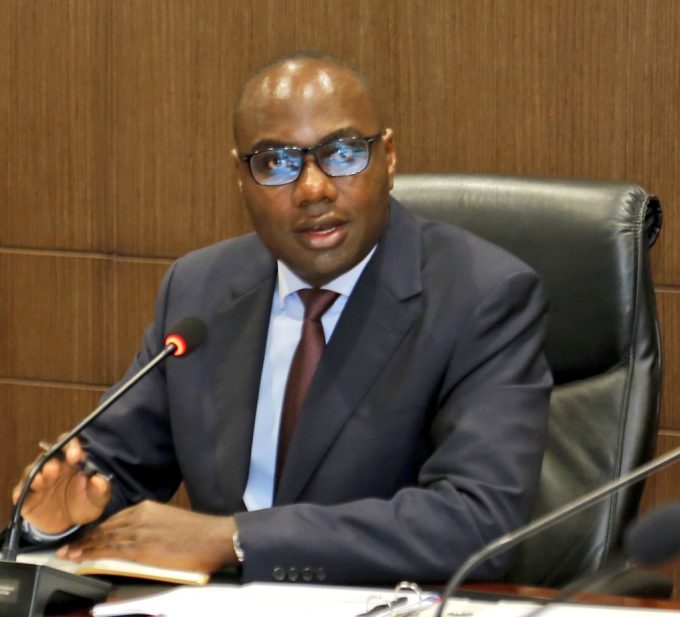
Finance Minister Sets Reform-Driven Agenda Targeting $500bn Economy
Finance Minister Henry Musasizi has unveiled a reform-driven agenda focused on fiscal...
Corporate editor1 Mins read

BusinessNews Corporate editor2 Mins read
Uganda Takes Centre Stage at Europe’s Biggest Coffee Event
Uganda has been selected as the official Portrait Country for the 2026...
Corporate editor2 Mins read
NewsTechnology & Innovation Corporate editor2 Mins read
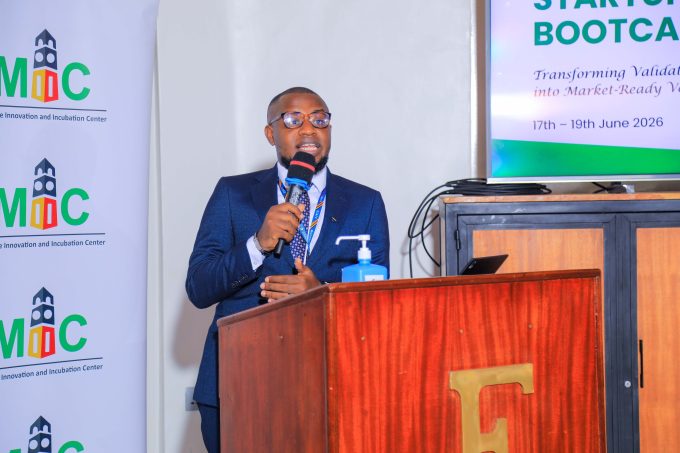
MIIC LAUNCHES STARTUP HATCH 1.0 BOOTCAMP TO ACCELERATE UGANDA’S NEXT GENERATION OF MARKET-READY VENTURES
The Makerere Innovation and Incubation Centre (MIIC) has launched Startup Hatch 1.0,...
Corporate editor2 Mins read

HealthcareNews Corporate editor1 Mins read
Stanbic, Prudential Expand Health Insurance Cover as Uganda Battles Low Insurance Uptake
Stanbic Bank Uganda and Prudential Uganda have expanded their Medi-Protect health insurance...
Corporate editor1 Mins read