
Home News Sickle Cell Disease Uganda: Parliament Declares National Health Priority
News

Sickle Cell Disease Uganda: Parliament Declares National Health Priority

Share
Share

Uganda’s Parliament has officially recognized sickle cell disease as a national public health priority. This marks a major step in the country’s fight against this life-threatening condition. As a result, the government aims to improve early detection, treatment, and patient support.


Parliament Passes Historic Motion

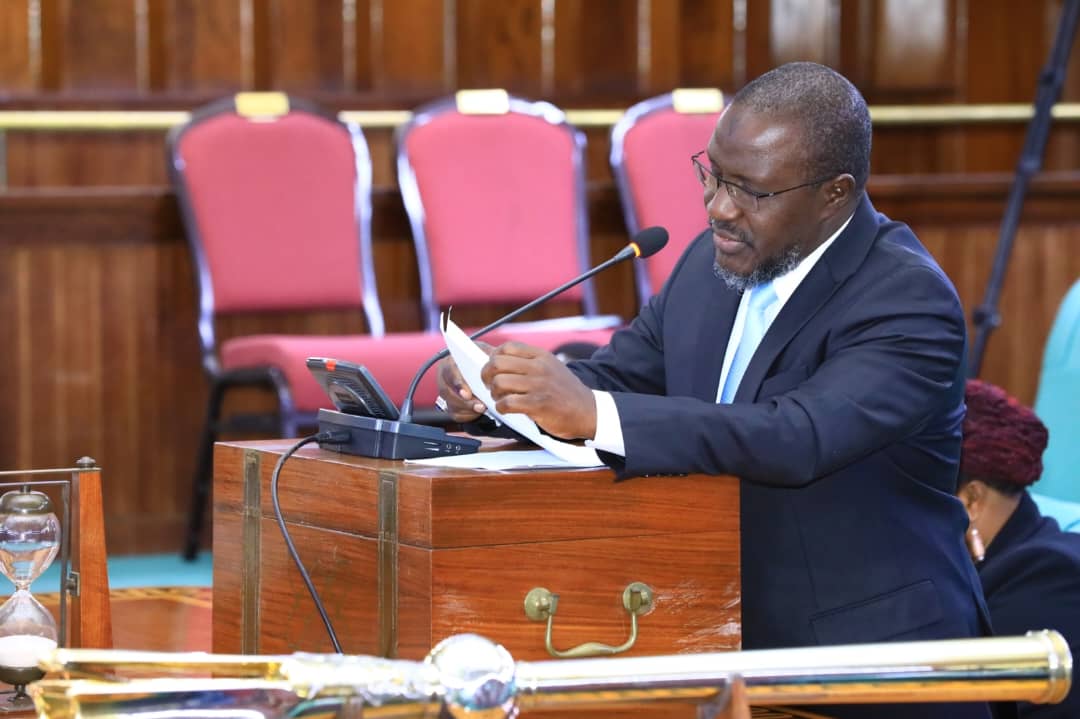
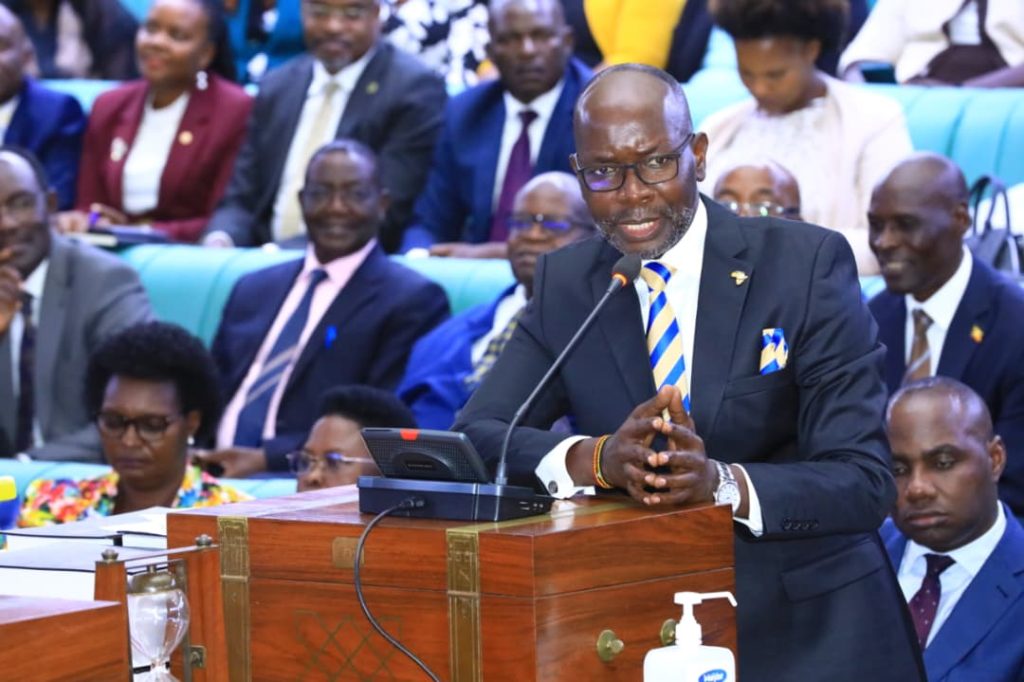
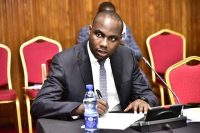
On March 12, 2026, during a plenary session, lawmakers passed a motion urging the government to prioritize sickle cell disease Uganda within the national health agenda. The motion was presented by Hon. Asuman Basalirwa and adopted under the chairmanship of Speaker Anita Among.

Moreover, the resolution calls for increased funding for prevention, screening, treatment, and patient care. It signals a renewed political commitment to tackling the disease effectively.


A Major Health Challenge

Sickle cell disease remains a significant health burden in Uganda. Data show that about 13.3% of Ugandans carry the sickle cell trait. In other words, roughly one in seven people is a carrier.

Each year, around 20,000 babies are born with the disease. Tragically, an estimated 6,000 to 9,000 children die before age five. This is mainly due to delayed diagnosis and limited access to care.

Therefore, early diagnosis and consistent treatment are crucial. In response, the Ministry of Health Uganda has expanded national screening programs. In addition, newborn testing initiatives have been introduced to detect the disease early.


Funding and Access to Treatment

Hon. Basalirwa emphasized the government’s constitutional duty to provide adequate health services. Meanwhile, lawmakers highlighted the emotional and financial strain families face while caring for sickle cell patients.

A key focus of the motion is improving access to essential medicines, such as Hydroxyurea. This drug reduces painful crises and hospital admissions. Consequently, Parliament proposed allocating between UGX 5 billion and UGX 10 billion for medicine procurement.

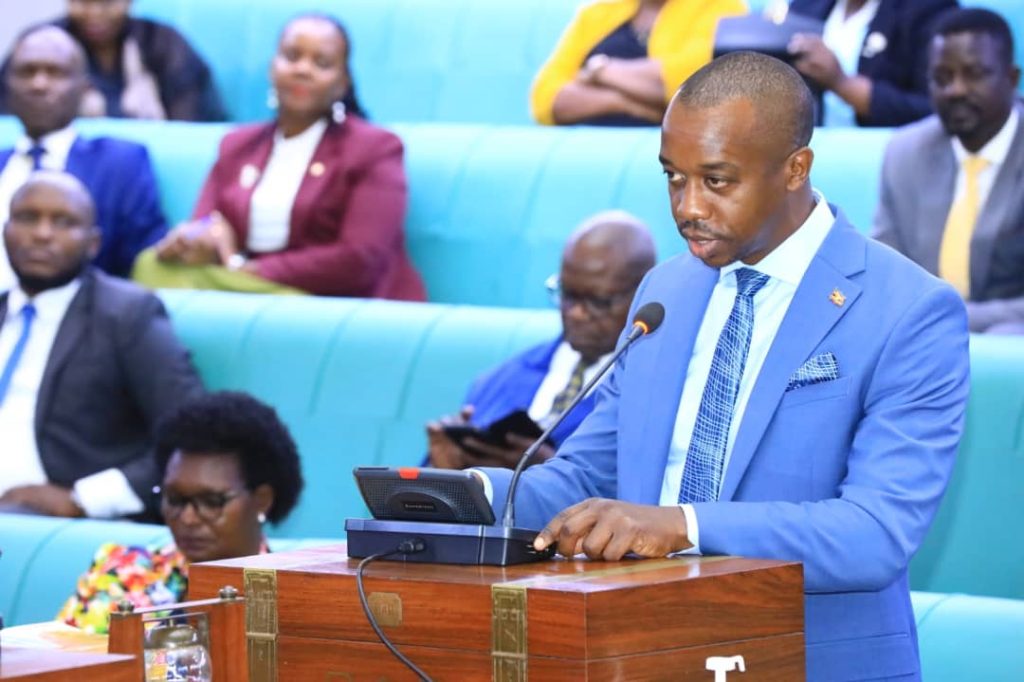
Furthermore, Hon. Hamson Obua, the government Chief Whip, confirmed that steps are already underway. Several health facilities are being equipped with specialized testing equipment. In addition, sickle cell services are being integrated into the broader national health system.


Advocacy Groups Welcome the Move

Civil society organizations and health advocates have praised Parliament’s decision. The Catherine Phil Sickle Cell Support Initiative, a community-based organization, described the resolution as a major step toward improving care and awareness.

However, the organization stressed the need to expand specialized clinics, ensure medicine availability, and strengthen supply chains. This would prevent shortages for patients.


Raising Awareness and Early Screening

Limited awareness of sickle cell status remains a concern. Experts recommend increased premarital, antenatal, and community-based testing to reduce new cases. In addition, public campaigns are being encouraged, modeled after successful HIV/AIDS sensitization programs.

Early screening allows couples to make informed family planning decisions. Moreover, it helps reduce stigma surrounding the disease.


A Path Forward Through Collaboration

Recognizing sickle cell disease Uganda as a national health priority signals a stronger commitment to coordinated action. Government institutions, healthcare systems, civil society, and communities all play a role in translating Parliament’s resolution into practical improvements.

With sustained political support, adequate funding, and strengthened partnerships, Uganda can reduce the burden of sickle cell disease. As a result, patients’ lives and well-being can improve significantly.

In addition, advocacy groups like the Catherine Phil Sickle Cell Support Initiative continue to champion awareness, research, and patient support. Their work, combined with government action, offers hope that patients will receive the care, dignity, and opportunities they deserve.


Share
Related Articles
News

Uganda’s Economic Growth Faces Budget and Debt Pressures

Uganda's Economic Growth resilient at 6.7% amid weak 62.8% budget absorption, UGX...

News

Uganda’s Economic Growth Accelerates with Oil Production on Horizon

Uganda's Economic Growth set for 10.4% surge in 2026/27 as oil production...

BusinessFinanceLeaders Making ImpactNewsSustainability

Housing Finance Bank Posts Record Profits, Surpasses 2 Trillion Shillings in Deposits

After 58 years in operation, Uganda’s specialist housing lender delivered its strongest...

EducationNews

“Flex Your Genius”: Students Urged to Think Beyond Class as Stanbic Championship Launches

Participating schools arrived early for the official launch of Season 11 of...

We are the reliable source of filtered, timely, relevant tech, innovation, and business news. We gather business, technology, lifestyle, innovation news from Uganda, East Africa and around the world as it happens, presenting it to you in a simple to use and intuitive web portal.

Let us keep in touch

Subscribe to our newsletter to get our newest articles instantly!

    © 2025 Postdator Corporate News. All rights reserved.