
Parliament has approved a government proposal to borrow up to EUR 168.9 million (approximately Shs700 billion) to finance the second phase of Uganda’s Solar-Powered Irrigation Systems Project, a move aimed at strengthening coffee production and reducing the impact of climate change on farmers. The financing will be sourced from the United Kingdom Export Finance (UKEF) and Citi Bank and will support the construction of 427 solar-powered irrigation systems across 126 coffee-growing districts.
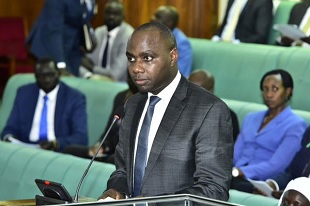
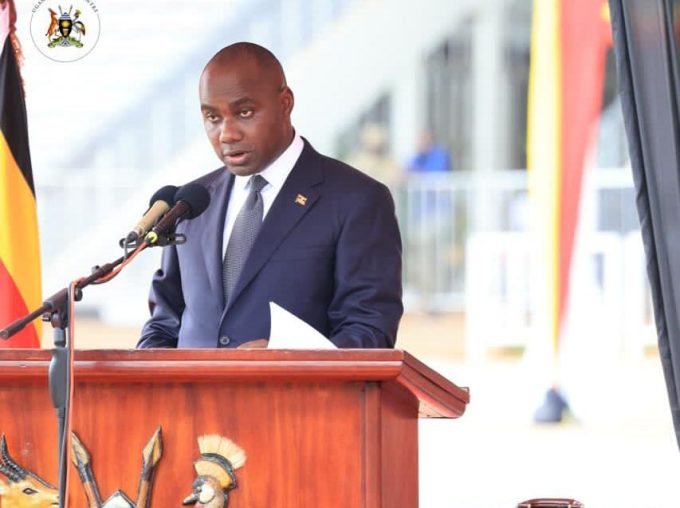
Presenting the proposal before Parliament, Finance Minister Henry Musasizi said the investment is intended to increase agricultural productivity and improve household incomes through reliable access to water.
“The goal of this project is to contribute to increased yields of coffee production through the provision of water for irrigation in 126 districts,” Musasizi said.
The government says the project builds on the success of the first phase, which delivered 434 irrigation systems nationwide and is now more than 99 per cent complete. According to official figures, the completed installations have improved water access and farm productivity for more than 206,000 households, benefiting over 900,000 Ugandans.
The expansion comes as farmers face increasing pressure from prolonged dry spells and unpredictable rainfall patterns that have disrupted agricultural production in many parts of the country. Musasizi told legislators that irrigation is becoming increasingly important as climate change continues to affect water availability and crop performance.
“Farmers are losing a lot of crops due to prolonged dry seasons, and this in turn affects their livelihoods,” he said.
Under the second phase, approximately 2,562 households are expected to benefit directly from the new irrigation systems, with implementation support provided through the Ministry of Agriculture, Animal Industry and Fisheries (MAAIF).
Agriculture officials say the project will also strengthen extension services by helping farmers adopt improved irrigation practices and modern production methods. The investment forms part of Uganda’s broader strategy to increase coffee output and export earnings. Coffee remains the country’s leading export commodity and one of the largest sources of foreign exchange.
The government believes expanding irrigation infrastructure will help farmers maintain production during dry periods, reduce crop losses, and improve resilience against climate-related shocks.
However, the approval is likely to spark renewed debate over Uganda’s growing public debt burden, with some analysts expected to question whether the long-term economic returns will justify the additional borrowing. For policymakers, the argument is increasingly centred on food security and productivity. As weather patterns become less predictable, irrigation is being viewed not simply as an agricultural investment but as a critical tool for protecting Uganda’s export sector and rural economy.
Uganda unveiled Shs84.39 trillion National Budget for Financial Year 2026/27 targeting 10.2%...
NSSF partners with NBL & MTN MoMo Uganda at GRIT programme to...
Bank of Uganda announces new over-the-counter cash withdrawal limits effective January 1,...
Housing Finance Bank is transforming urban housing finance in Uganda's secondary cities...
Excepteur sint occaecat cupidatat non proident