
Home News Uganda Sustains 8.5% Economic Growth Momentum with 2025/26 Q4 Budget Discipline
News

Uganda Sustains 8.5% Economic Growth Momentum with 2025/26 Q4 Budget Discipline

Share
Share

Uganda Economy Grows as Treasury Sets Q4 Spending Limits

Uganda’s economy remains on a strong growth path as the Ministry of Finance enters the final quarter of the 2025/26 financial year. Treasury says it will maintain disciplined spending while supporting macroeconomic stability and investment in key sectors.

Preliminary estimates show that the economy grew by 8.5 per cent in the second quarter. That is a sharp increase from 5.4 per cent in the same period last financial year. The figures reflect stronger domestic demand, investment, and exports.

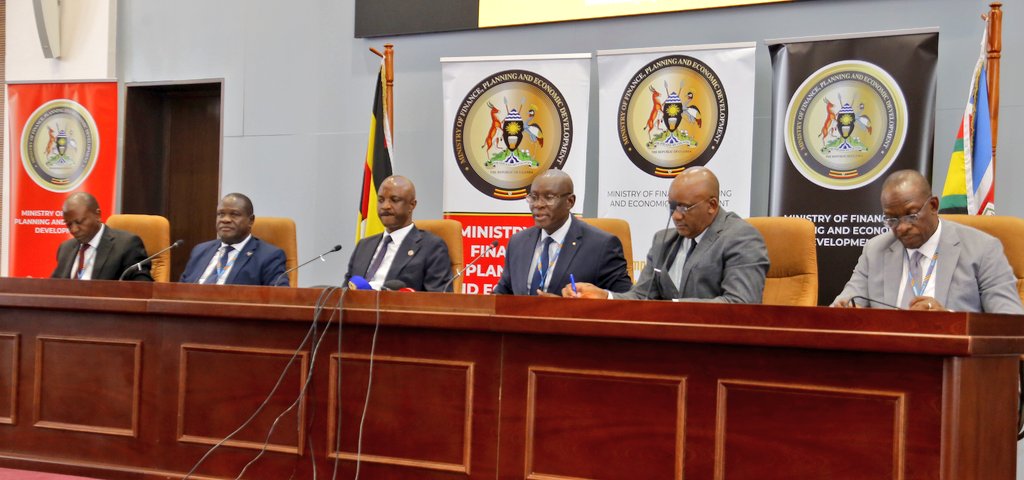
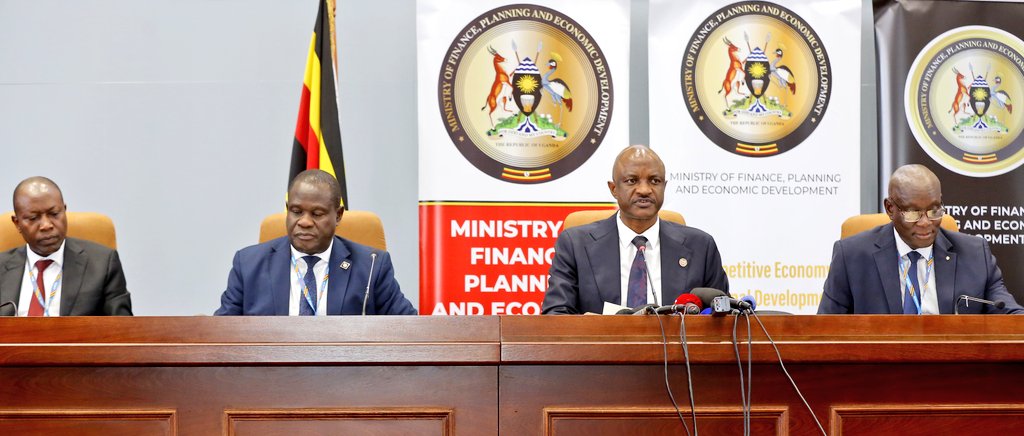
ministry of finance briefing

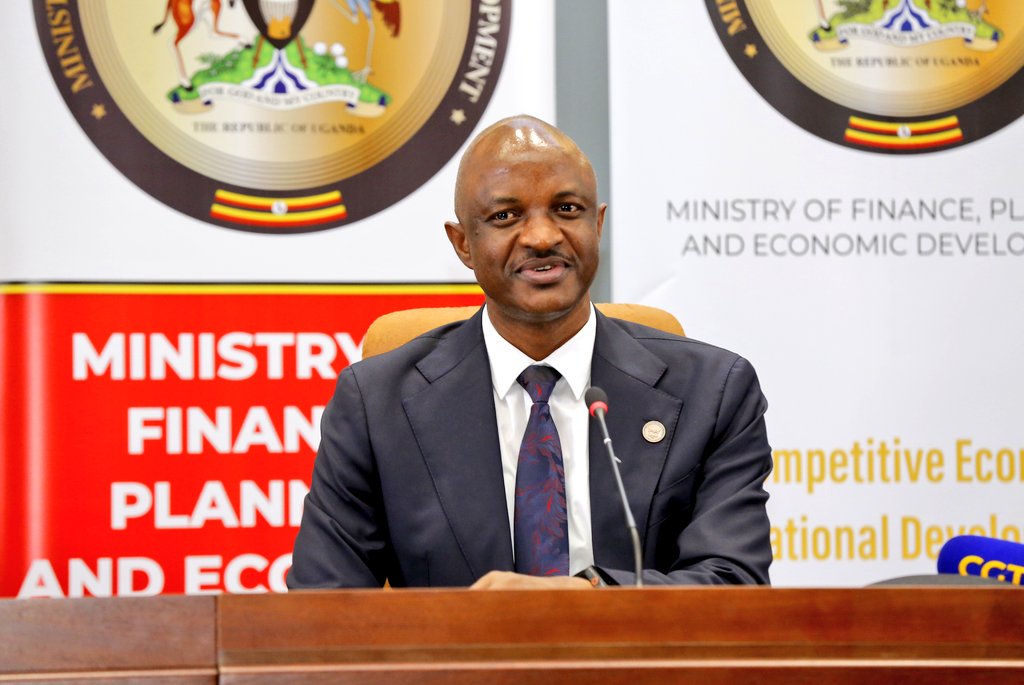
Speaking during the Quarter Four press briefing, Permanent Secretary and Secretary to the Treasury Ramathan Ggoobi said the spending limits are designed to support the country’s tenfold growth strategy. He added that the government must also stay within its broader fiscal consolidation agenda.

“The quarter four expenditure limits have been informed by the need to sustain the momentum for implementation of the tenfold growth strategy but within the framework of the fiscal consolidation agenda,” Ggoobi said.

Ramathan Ggoobi

Focus on Discipline and Stability

Ggoobi said the Government’s immediate focus is to sustain macroeconomic stability and enforce fiscal discipline across all votes. He explained that the fourth-quarter spending framework follows four main principles.

First, total expenditure must stay within available resources. Second, the government must continue financing wealth creation and ATMS (agro-industrialisation, tourism development, mineral development, and science, technology and innovation) priorities.

Third, the government must protect investment in growth enablers. Fourth, all Ministries, Departments, Agencies, and Local Governments must receive the minimum critical operational funding they need.

ATMS as Growth Drivers

The ATMS agenda remains central to Uganda’s economic transformation strategy. Agro-industrialisation helps add value to agricultural produce and support food systems. Tourism development strengthens service exports and creates jobs.

Mineral development supports industrial growth and export earnings. Science, technology and innovation help drive productivity, digital transformation, and private sector competitiveness. Together, these sectors support wealth creation and broader economic expansion.

Stronger First-Half Performance

The latest figures also point to a stronger first half of the financial year. Ggoobi said average economic growth for the first six months rose to 6.7 per cent, up from 5.8 per cent in the same period last year.

He said robust aggregate demand, investment, and exports drove that performance. Output also improved across industry, services, agriculture, forestry, and fishing. That broad-based growth signals recovery across the economy.

Outlook for Financial Year 2025/26

The Ministry projects GDP growth to rise from 6.6 per cent to 7.0 per cent in Financial Year 2025/26. That would improve on the 6.3 per cent recorded in Financial Year 2024/25.

By the end of June 2026, Uganda’s GDP is expected to reach USD 68.4 billion, or Shs251.4 trillion. In purchasing power parity terms, GDP is projected to hit USD 194.2 billion. GDP per capita is also expected to rise to USD 1,399, or Shs5.03 million.

Inflation and Currency Stability

Treasury also pointed to continued stability in the shilling. Officials said prudent economic management has helped support the currency. Annual headline inflation has stayed subdued at an average of 3.3 per cent this financial year. That gives policymakers room to keep focusing on growth-supporting interventions.

Business Impact

For businesses, the Q4 spending priorities send a clear signal. The government wants to keep funding flowing into productive sectors, infrastructure, security, and human capital. At the same time, it wants to maintain tight control over public expenditure. That balance between growth financing and fiscal discipline will likely shape business confidence heading into the 2026/27 budget cycle.

Share
Related Articles
BusinessNews

URA, UMA Tax Clinics Spotlight Manufacturing’s Role in Uganda’s Economic Growth

The ongoing Mid-Western URA–UMA Tax Clinics in Fort Portal have put fresh...

MicroPay Staff with Award
BusinessNewsSustainability

MicroPay Uganda Limited Honoured as Best Fintech Company and Uganda Development Champion

In a landmark recognition, MicroPay Uganda Limited has been certified as the Best...

News

Government Turns to New Taxes to Finance UGX84.2 Trillion Budget

Uganda is planning to increase tax collections to finance its expanded UGX84.2...

Deputy director of Bou Mackay aomu
News

Bank of Uganda Tightens Forex Bureau & Money Remitter Compliance Rules

The Bank of Uganda (BoU) has strengthened its engagement with the non-bank...

We are the reliable source of filtered, timely, relevant tech, innovation, and business news. We gather business, technology, lifestyle, innovation news from Uganda, East Africa and around the world as it happens, presenting it to you in a simple to use and intuitive web portal.

Let us keep in touch

Subscribe to our newsletter to get our newest articles instantly!

    © 2025 Postdator Corporate News. All rights reserved.