
Lira’s economic rise is no longer just about new buildings, busy roads, or expanding markets. At the heart of the city’s transformation is a growing class of women entrepreneurs who are turning small government-backed loans into serious business ventures. Across the city and surrounding communities, women are using support from programmes such as Emyooga and the Parish Development Model (PDM) to move beyond survival and build enterprises that are creating jobs, adding value to local products, and strengthening household incomes. For many, the journey started with access to affordable capital.
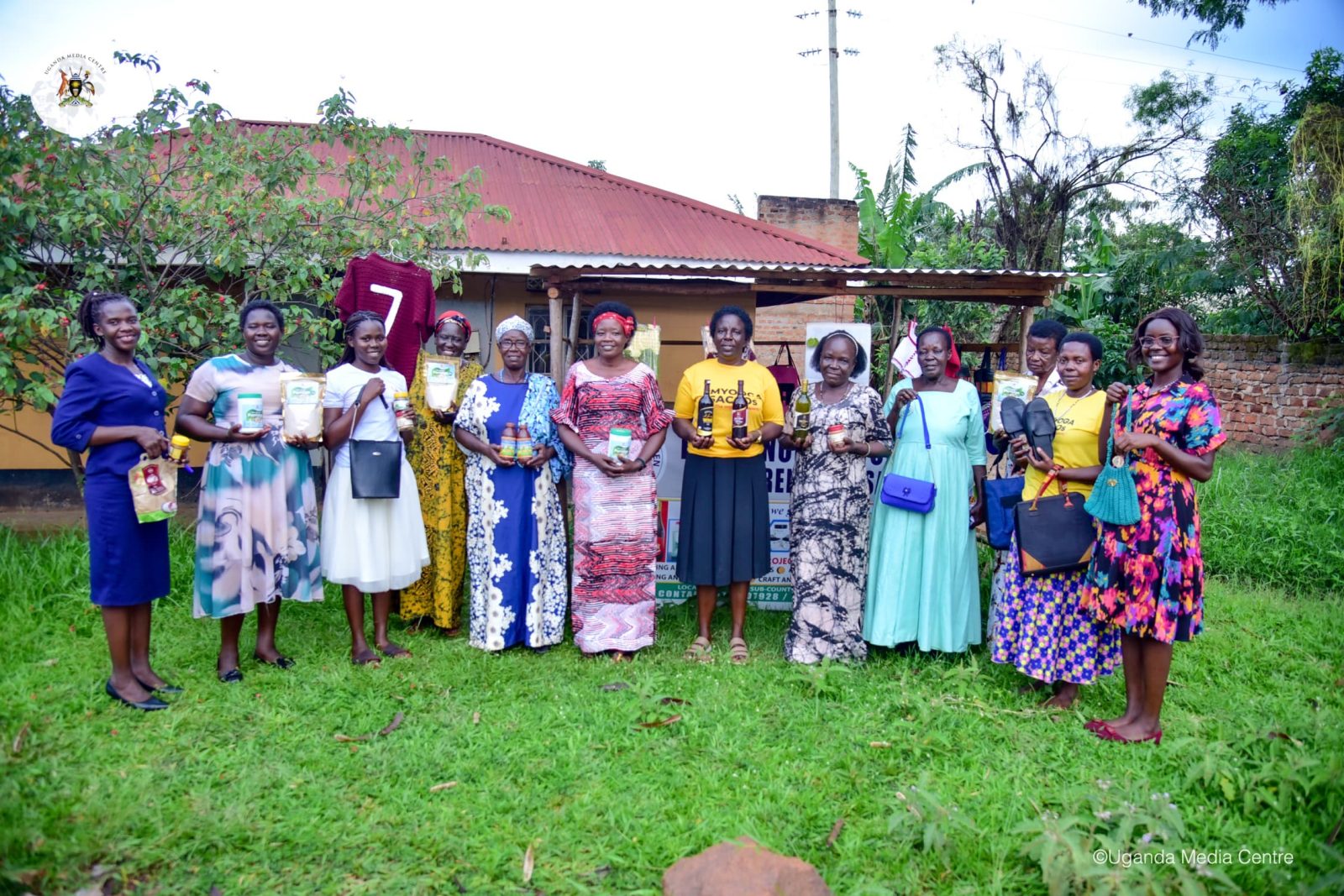
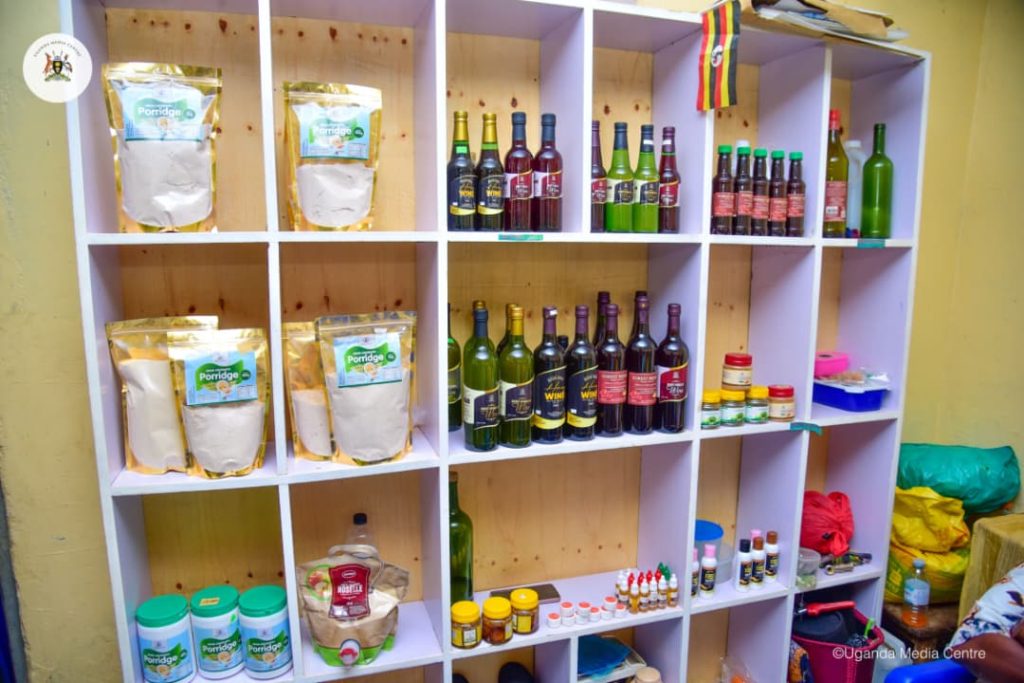
Milly Grace Ajoro, a member of the Erute North Women Entrepreneurs SACCO, turned her loan into a thriving tailoring business that now produces sweaters, baby clothes, and shoes. What began as a small hustle has grown into a dependable source of income that keeps her children in school and sustains her home. Her SACCO colleagues are equally active in business, investing in honey processing, poultry, cosmetics, and wine production. Together, they show how organised women-led groups are becoming an important part of Lira’s small enterprise economy. The same business momentum is visible in the story of Atim Stella, who received UGX 1 million under PDM in 2023. Instead of remaining a small tomato vendor, she reinvested the funds into production and steadily expanded her capital base.
Today, her business capital has grown to UGX 3 million, and she has already secured a deposit on land — a clear sign of enterprise growth translating into asset ownership.
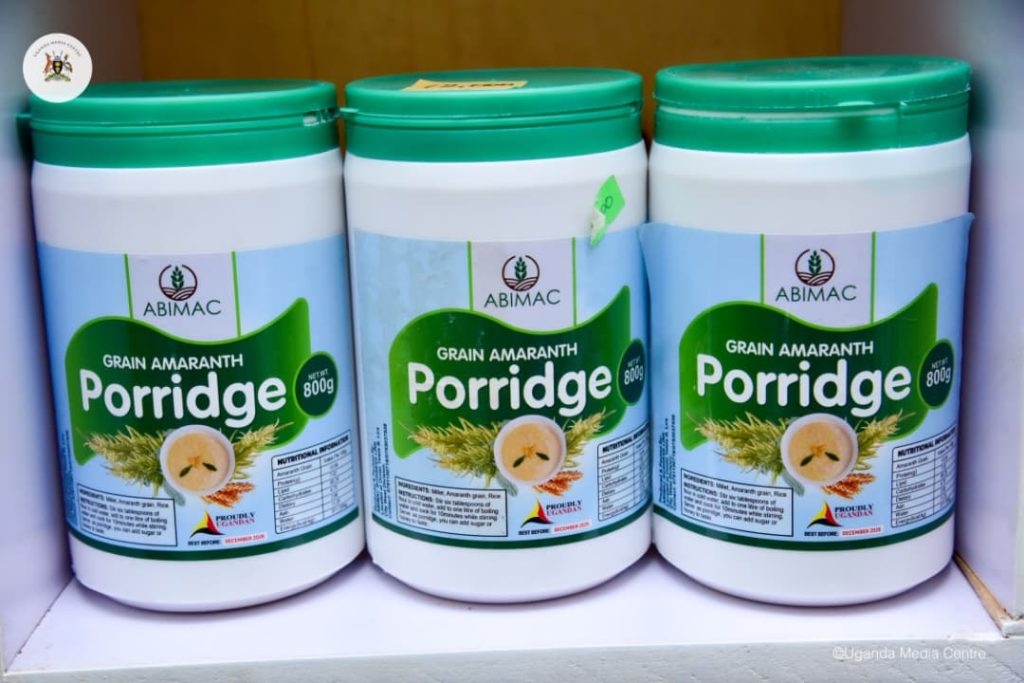
Immaculate Abeja’s story captures the spirit of innovation that is shaping Lira’s new business culture. Starting with just UGX 25,000, she began producing wine from home after failing to find formal employment. A small Emyooga loan later allowed her to improve branding and diversify into composite flour production. Her home-based operation now functions like a small processing unit, showing how micro-financing can help local entrepreneurs shift from single-product selling to value-added manufacturing. This rise in women-led enterprise is also feeding directly into Lira’s wider supply chains.
The Lira Main Market remains one of the biggest beneficiaries of this momentum, with women dominating produce trade, retail stalls, and loading operations. Many are now balancing farming with market business, creating stronger links between rural production and urban commerce.
The business ecosystem is growing even further through agro-processing. Factories such as MMP Agro Industries are buying sunflower and soya in large volumes from farmer groups and individuals, giving producers a ready market and encouraging commercial farming. This has strengthened business confidence among growers, many of whom are women expanding from subsistence farming into income-driven agriculture. Infrastructure is also playing a direct role in this business expansion. Roads developed under the National Oil Seeds Project are improving movement of goods from farms to factories and markets, reducing transport costs and improving access to buyers. For small entrepreneurs, this means faster stock movement, lower losses, and wider market reach.
Lira’s story is increasingly becoming a case study in how targeted financing, organized SACCOs, agro-processing, and infrastructure can work together to fuel local business growth. What stands out most is that women are no longer just participants in the economy — they are emerging as some of the city’s most effective builders of enterprise, value chains, and long-term wealth.
In a landmark recognition, MicroPay Uganda Limited has been certified as the Best...
SR Kuku Uganda Poultry Industry continues to dominate the market with its...
Uganda IFAD agricultural financing and oil palm expansion discussions took center stage...
Uganda’s financial markets were in the spotlight as regulators, policymakers, and private...
Excepteur sint occaecat cupidatat non proident