

World Bank Launches UGIFT and PIM Plus Mission
 Editor Corporate NewsUpdated 2 months Ago1 Mins read146
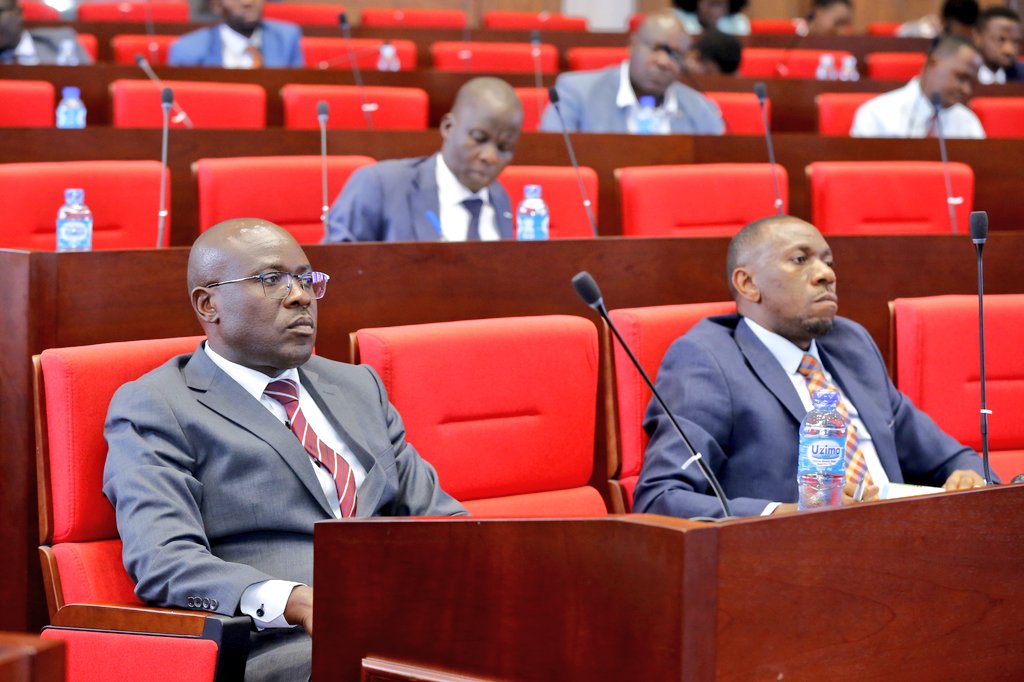
The Uganda Intergovernmental Fiscal Transfers Programme (UGIFT) has entered a new review phase. The World Bank has launched a joint mission to assess results and guide future reforms. The mission runs from March 2 to 15, 2026.
The exercise focuses on the Implementation Completion and Results (ICR) review for UGIFT 1.0. It will also examine progress under the Public Investment Management (PIM) Plus operation.
Reviewing UGIFT Achievements
The Uganda Intergovernmental Fiscal Transfers Programme has strengthened financing for local governments. As a result, districts and municipalities improved service delivery in key sectors.
The programme supported investments in education, health, and water services. It also helped local governments improve planning and accountability.
Importantly, UGIFT 1.0 officially closed on December 31, 2025. However, the current mission will review achievements and document lessons learned. These findings will inform the design of UGIFT 2.0.
Government Emphasizes Local Government Role
The mission opened at the Ministry of Finance, Planning and Economic Development (MoFPED). During the meeting, Hannington Ashaba, Acting Director of Budget, highlighted the importance of local governments.
“Local governments are the ultimate beneficiaries and implementers of these reforms,” Ashaba said. “Their perspectives and experiences must continue to guide the programme.”
He added that stronger collaboration will help improve service delivery across the country.
World Bank Calls for Completion of Activities
Meanwhile, Barbara Magezi, representing the World Bank, stressed the importance of completing ongoing activities.
“Government should reflect on the closure action plan for UGIFT 1.0,” Magezi said. “All activities that were started must be completed.”
She also noted that the FY 2026/27 budget should sustain the gains achieved during the programme’s first phase.
Focus on Public Investment Efficiency
In addition, the joint mission will review progress under PIM Plus. The programme supports improvements in public investment planning and project implementation.
Better investment management ensures that government projects deliver stronger development outcomes.
Preparing for UGIFT 2.0
Looking ahead, UGIFT 2.0 will focus on human capital development, employment creation, and local economic growth.
The next phase will build on earlier achievements. At the same time, it will address emerging challenges in local service delivery.
Overall, the mission aligns with Uganda’s Public Finance Management Reform Strategy 2025–2030. This strategy aims to improve fiscal discipline and strengthen public investment management. Ultimately, it seeks to enhance service delivery across Uganda’s local governments.






Uganda’s Economic Growth Faces Budget and Debt Pressures
Uganda's Economic Growth resilient at 6.7% amid weak 62.8% budget absorption, UGX...
 Corporate editor1 Mins read

Uganda’s Economic Growth Accelerates with Oil Production on Horizon
Uganda's Economic Growth set for 10.4% surge in 2026/27 as oil production...
Corporate editor1 Mins read
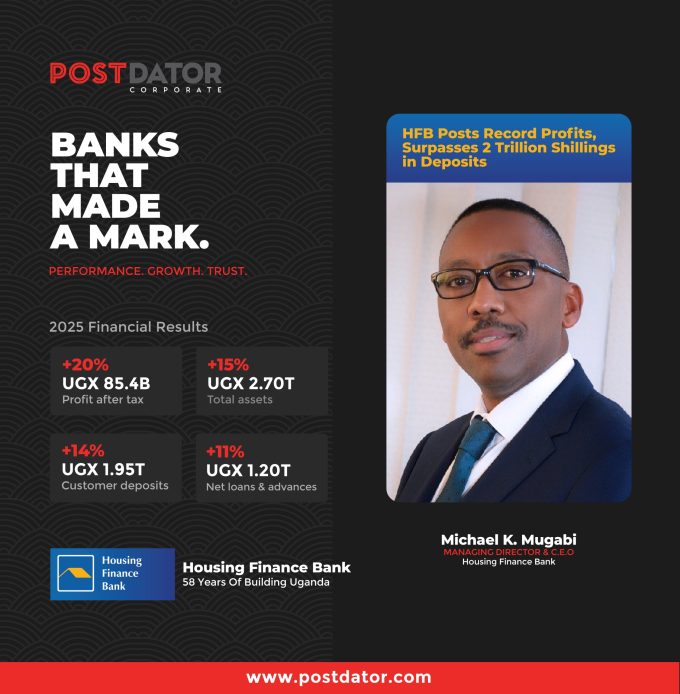
Housing Finance Bank Posts Record Profits, Surpasses 2 Trillion Shillings in Deposits
After 58 years in operation, Uganda’s specialist housing lender delivered its strongest...
 Corporate News Editor5 Mins read

“Flex Your Genius”: Students Urged to Think Beyond Class as Stanbic Championship Launches
Participating schools arrived early for the official launch of Season 11 of...
Corporate editor1 Mins read