
East Africa SGR Trade Strategy Gains Momentum
 Editor Corporate NewsUpdated 3 months Ago2 Mins read272
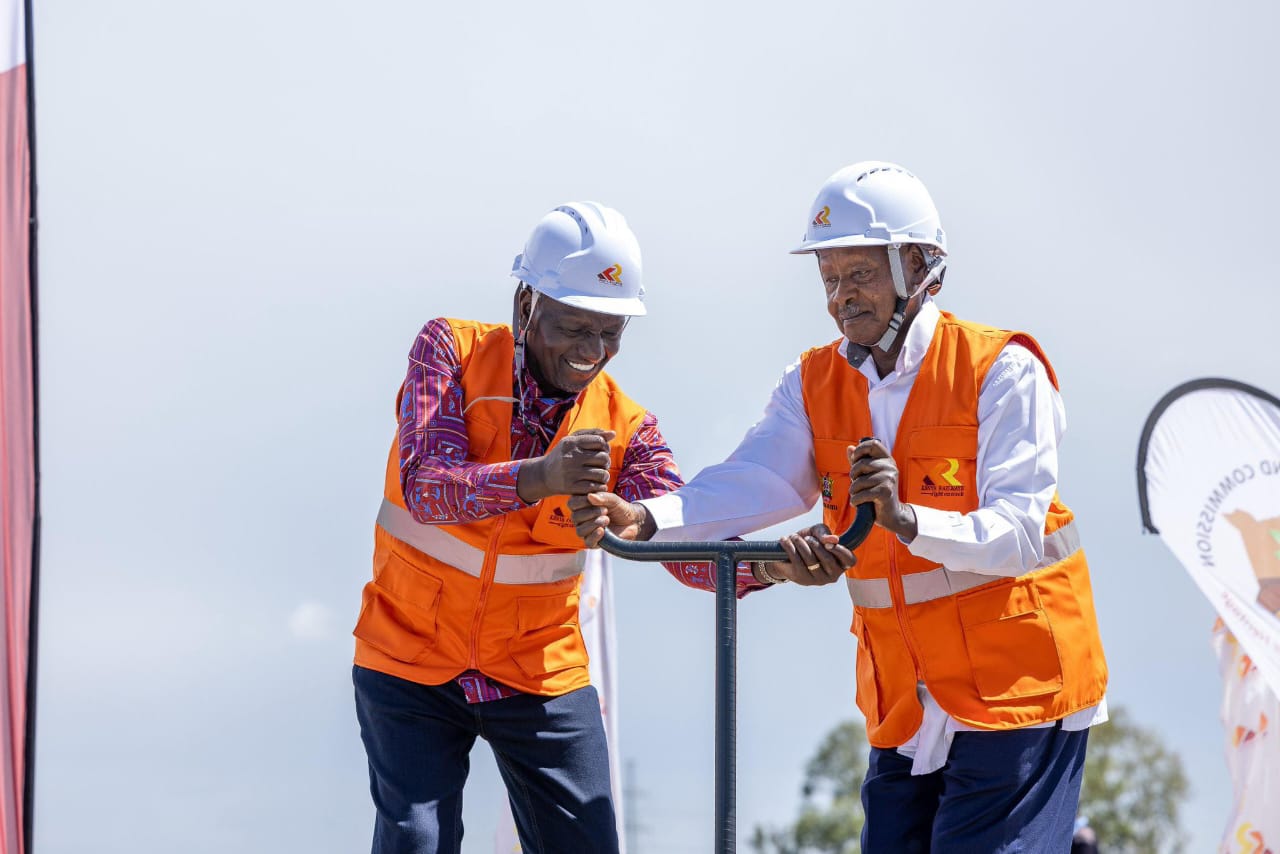
The East Africa SGR regional trade strategy is gaining new momentum following the launch of construction on the Naivasha–Kisumu–Malaba railway section. Leaders now frame the project as a practical solution to high transport costs and limited regional trade.
Presidents Yoweri Museveni and William Ruto used the event to present a shared economic vision. They emphasized lowering logistics costs, improving efficiency, and connecting markets across the East African Community.
A Railway to Fix a Costly Transport System
President Museveni criticized Uganda’s heavy reliance on road transport. He described the current system as expensive and inefficient.
“Uganda’s transport structure is irrational and wasteful,” he said.
Over 90% of freight in East Africa moves by road. This drives up costs, especially for landlocked countries like Uganda. Logistics can account for up to 40% of the final price of goods. In developed economies, the figure is much lower.
Museveni stressed that affordability matters.
“For Africa to compete, we must produce high-quality and affordable goods,” he said.
Rail transport could reduce costs per tonne by up to 50% over long distances. It could also ease pressure on roads and improve delivery times.
Building a Regional Railway Network
Museveni outlined an ambitious regional rail plan. The SGR will connect multiple countries and trade routes.
Uganda plans to extend the railway:
- From Malaba to Kampala
- From Kampala to Kasese and Mpondwe (linking to DR Congo)
- From Tororo to Gulu and South Sudan
- From Bihanga to Kigali in Rwanda
The Naivasha–Kisumu–Malaba section covers about 370 km. It links Kenya’s existing SGR to Uganda’s future network.
Together, these routes will connect:
- The Port of Mombasa
- Uganda’s industrial centers
- Eastern DR Congo
- South Sudan and Rwanda
This creates a major trade corridor from the Indian Ocean into Central Africa.
Ruto Emphasizes Urgency and Integration
President Ruto described the railway as essential for regional growth.
“This project will bring life to our goal of regional integration,” he said.
He warned that East Africa faces economic pressure. The region’s population is growing rapidly, but economic output is not keeping pace.
“Our economies are not generating enough revenue for our growing population,” Ruto explained.
He added that high logistics costs continue to hurt businesses and reduce competitiveness.
Energy Projects and Strategic Compromise
The leaders also discussed cooperation on oil infrastructure. This includes the pipeline linked to Uganda’s oil sector.
Ruto revealed that Uganda initially wanted a 50% stake. However, both sides agreed on a smaller starting share.
The pipeline will transport crude oil over 1,400 km to the Tanzanian coast. It shows how transport and energy projects are now closely linked in regional planning.
The Cost Challenge Driving Reform
Transport costs remain a major issue in East Africa.
Currently:
- Moving cargo from Mombasa to Kampala costs up to $4,000 per container
- Border delays slow deliveries
- Fuel prices increase overall costs
Railways can solve many of these problems. They offer faster transit, stable pricing, and lower bulk transport costs.
Museveni linked transport to a broader economic formula. He said competitiveness depends on:
- Affordable logistics
- Reliable electricity
- Access to financing
Ruto echoed this view. He stressed that reducing logistics costs will improve business performance and government revenue.
A Defining Test for Regional Integration
The SGR project has faced delays for years. Financing and coordination challenges slowed progress.
This latest development signals stronger political alignment between Kenya and Uganda. It also raises expectations for delivery.
Intra-East African trade remains below 20%. This shows significant untapped potential.
Efficient rail networks could:
- Lower trade barriers
- Connect producers to markets
- Boost regional commerce
For both leaders, the message is clear. The railway is no longer optional. It is a key investment for economic growth and regional integration.

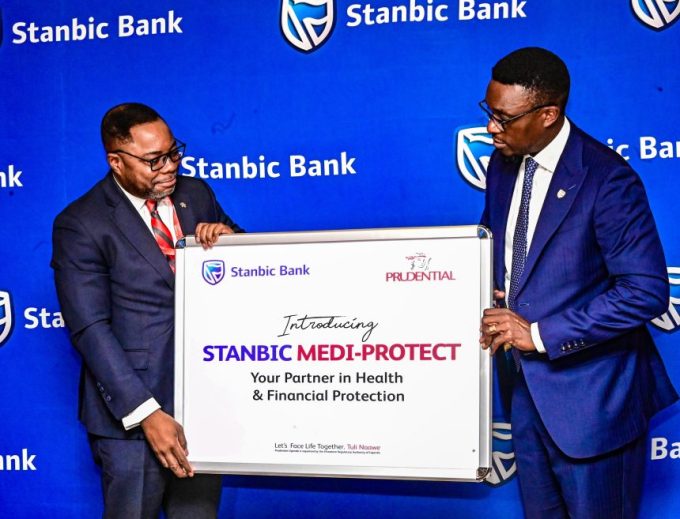
Stanbic, Prudential Expand Health Insurance Cover as Uganda Battles Low Insurance Uptake
Stanbic Bank Uganda and Prudential Uganda have expanded their Medi-Protect health insurance...
 Corporate editor1 Mins read
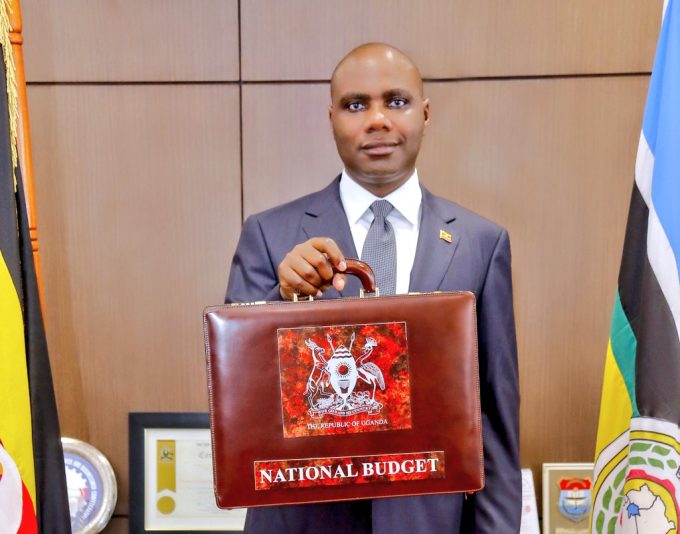
Ministry of Finance Reveals How Uganda’s Borrowed Funds Have Been Invested Over the Last Decade
The Ministry of Finance reveals how Uganda invested USD 34.86B in borrowed...
Corporate editor1 Mins read
Uganda Targets 10.2% Growth as Oil, Exports and Private Investment Drive Shs84.39 Trillion National Budget
Uganda unveiled Shs84.39 trillion National Budget for Financial Year 2026/27 targeting 10.2%...
Corporate editor3 Mins read
Uganda Coffee Sector Boost: Shs700bn Solar Irrigation Project Approved by Parliament
Parliament approved Shs700 billion (EUR 168.9M) irrigation project for Uganda's coffee sector....
Corporate editor2 Mins read