
Ministry of Finance Outlines Key Measures to Manage Uganda’s Public Debt
 Corporate editorUpdated 2 hours Ago1 Mins read14
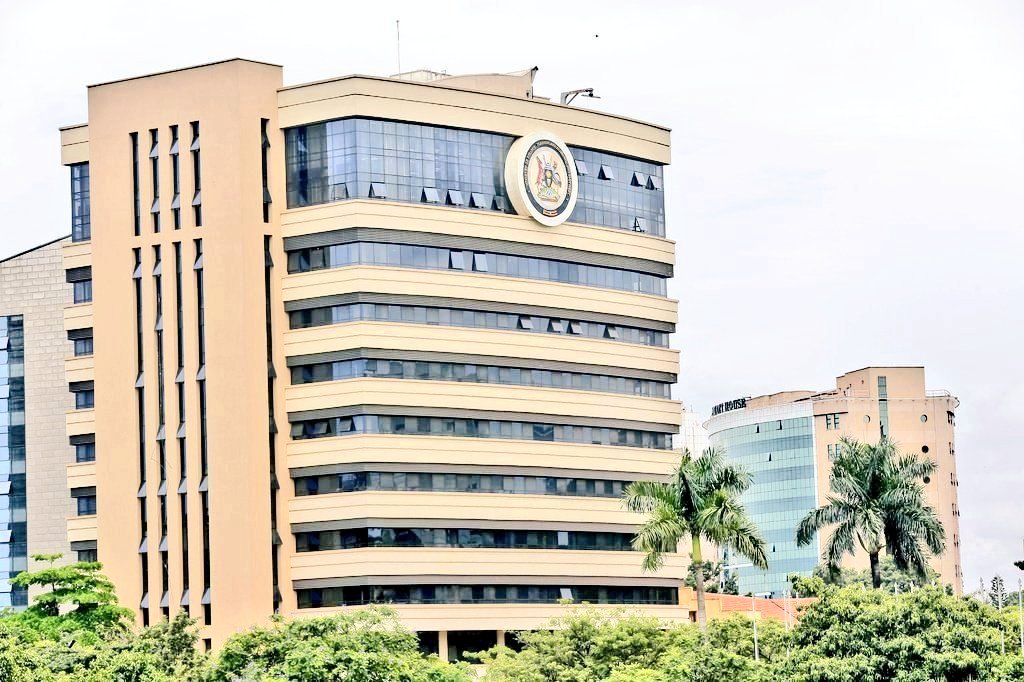
The Ministry of Finance has announced a set of measures that will guide Uganda’s public debt management strategy in the 2026/27 financial year, as government seeks to keep the country’s debt at sustainable levels while supporting economic growth.
According to the Ministry, Uganda’s public debt remains “moderately elevated,” prompting a renewed focus on increasing domestic revenue, accessing affordable financing, and reducing pressure on the national budget.
One of the major priorities will be the continued implementation of the Domestic Revenue Mobilization Strategy (DRMS), with government intensifying efforts to fight tax evasion through the Electronic Fiscal Receipting and Invoicing Solution (EFRIS).
“Revenue collection has nearly doubled in the last five years from Shs 17 trillion in FY 2019/20 to Shs 32 trillion in FY 2024/25,” the Ministry noted.
Officials say improving tax compliance and widening the tax base will help government reduce reliance on borrowing to finance public expenditure.
The Ministry also revealed that Uganda will continue pursuing concessional financing, particularly from institutions such as the World Bank and the International Monetary Fund (IMF). These loans are considered cheaper and more manageable because they carry lower interest rates and longer repayment periods.
In addition, government plans to implement the Public Investment Financing Strategy (PIFS) to expand non-debt financing options. The upcoming Uganda Sovereign Sukuk was highlighted as one of the innovative financing instruments expected to support infrastructure and development projects without increasing conventional debt levels.
The Ministry further emphasized the importance of strengthening Uganda’s international credit profile through the implementation of the Country’s Credit Rating Strategy.
“We are already rated ‘Positive’ by S&P (B-), ‘Stable’ by Fitch Ratings (B), and also ‘Stable’ by Moody’s (B3),” the statement said.
Maintaining and improving these ratings is expected to boost investor confidence and lower the cost of borrowing in international markets.
Government will also implement the 2026/27 Medium Term Debt Management Strategy (MTDMS), which aims to reduce the burden of debt servicing on the national budget.
According to the Ministry, one of the key objectives is “minimizing the share of interest payments to domestic revenue in order to reduce debt service burden on the budget.”
Economists say the measures, if effectively implemented, could strengthen Uganda’s fiscal position while creating more room for investment in critical sectors such as infrastructure, health, and education.






DFCU Marks 62 Years With Community Health Camp in Jinja
Instead of marking its 62nd anniversary with celebrations and ceremony, DFCU Bank...
Corporate editor1 Mins read

Stanbic National Schools Championship: Kabushenga Urges Young Leaders to Discover Purpose
Robert Kabushenga challenged young leaders to find purpose at the Stanbic National...
Corporate editor1 Mins read
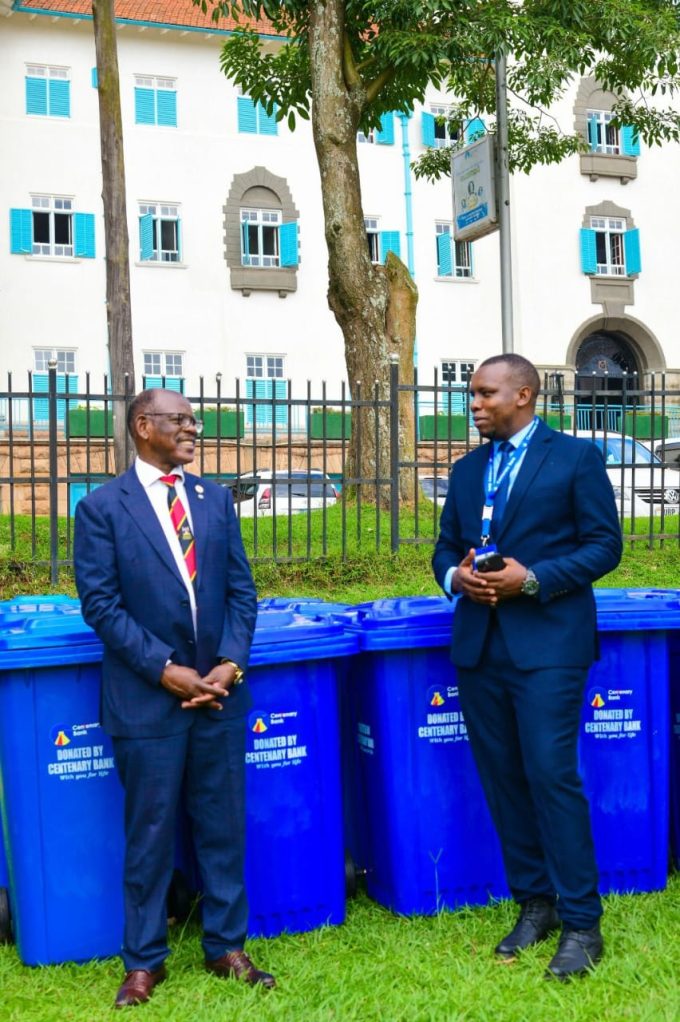
Centenary Bank Donates 30 Waste Bins to Makerere University to Improve Campus Cleanliness
Centenary Bank donated 30 waste bins to Makerere University in a handover...
Corporate editor1 Mins read
Uganda’s First Sovereign Sukuk for SGR Railway Funding
Uganda is gearing up for its first Sovereign Sukuk issuance to fund...
Corporate editor1 Mins read